

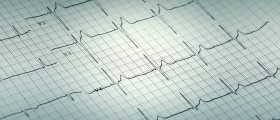
7 Common Tests You May Need Have To Diagnose A Heart Attack
EKGs and echocardiograms are the most common tests performed in the initial phase of diagnosing a heart attack. If the results aren’t clear, doctors will turn to other tests to study the problem in depth.
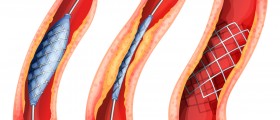
3 Common Types Of Heart Attack Treatments
With the right treatment path, people who have suffered a heart attack can still live healthy and fulfilling lives, as long as they always follow the treatment path.

What Role Do Antiplatelet Drugs Play In Treatment After A Heart Attack?
Antiplatelet drugs have the role of preventing platelets from coming together and forming blood clots.

What Happens During Single Photon Emission Computed Tomography (SPECT)?
The SPECT scan is a non-invasive nuclear imaging test that involves injecting a radioactive tracer into the bloodstream.

What Happens During A Radionuclide Angiography Or MUGA Scan? What To Expect And What Are The Risks?
MUGA scans are a good way to test the efficiency of your heart when it comes to pumping blood.

What Is A Positron Emission Tomography (PET) Scan And How Can It Help Detect A Heart Attack?
A PET scan is a nuclear imaging test, which is basically a combination between an EKG and a CT scan and used to determine heart attacks.

How Fatigue And Tiredness May Help Predict Heart Attack In Women
Feeling extra tired for no apparent reason? You may not have known, but it may be a sign that you are at risk of suffering a heart attack.

Early Signs Of Heart Attack: When Should You Become Concerned About Excessive Sweating?
While it’s normal to sweat when your body wants to cool down or when you’re making an effort, sweating without a reason might be a cause for concern.

How To Recognize Left Arm Pain As A Warning Sign Of Heart Attack?
While all left arm pain should be taken seriously, if it is indeed caused by a heart attack, it’s exponentially more dangerous.

High-Sensitivity Troponin I Test: New Version Of A Blood Test That Could Help Detect Heart Attack
Researchers are very optimistic about the efficiency and accuracy of the newly discovered high-sensitivity troponin I test.