

A free radical is a cellular killer that causes damage by corroding cell membranes, damaging DNA, altering biochemical compounds, and killing cells.
What Is A Free Radical?
A free radical is a cellular killer that causes damage by corroding cell membranes, damaging DNA, altering biochemical compounds, and killing cells. Technically, a free radical is a molecule that has lost one of its electrons and become extremely unbalanced. It attempts to restore its balance by stealing a vital electron from another cell.
Scientists have now proven that free radicals play a major role in the aging process as well as cancer, heart disease and strokes, arthritis,cataracts,Parkinson's Disease, allergies as well as many other diseases. A single free radical can destroy an enzyme, a protein molecule, a DNA strand or an entire cell. What's worse is that in a fraction of a second it can cause a chain reaction that produces millions of additional free radicals.
What Causes Free Radicals?
Some of the leading causes of free radicals are: air pollution, cigarette smoke, automobile exhaust,stress, alcohol, charred food,pesticides, UV light and drugs (both legal and non legal).
Your body is constantly replacing and repairing free-radical damaged cells, but with the way the majority of people abuse their bodies, free radicals are out of control and cause premature aging and disease.
What Are Antioxidants?
Antioxidants are compounds that neutralize free radicals and stop the chain reaction of the formation of new free radicals.
Our bodies produce metabolic enzymes that are extremely effective antioxidants, however the body's ability to produce these enzymes drops dramatically in our late twenties. One example is that the size of a 25 year old's liver is often twice the size of a person of 70.
The CHAOS trial examined 2002 men and women with known coronary artery disease. In this trial, treatment with vitamin E (antioxidant) reduced the incidence of heart attacks by 77% with no significant effect on overall mortality.
Another example is that the Japanese, who are among the world's heaviest smokers, have a very low incidence of lung cancer thanks to drinking green tea (green tea has a high antioxidant count).
How Do Antioxidants Protect Against Cancer?
Antioxidants protect against cancer in at least three ways: by destroying cancer-causing free radicals, by boosting the body’s immune system so it can destroy mutated cells, and by reducing the tendency of cancer cells to adhere to other organs and glands. By reducing their activity, antioxidants may protect against diseases and disorders in yet undiscovered ways. It may be that all degenerative disease is linked in some way to the activity of free radicals. According to Lester Packer, PhD., of the U. of California at Berkeley, a leading researcher in the field of antioxidants, “the prospects for life extension and life enhancement with antioxidants have never looked better.”
Which Foods Are Rich In Antioxidants?
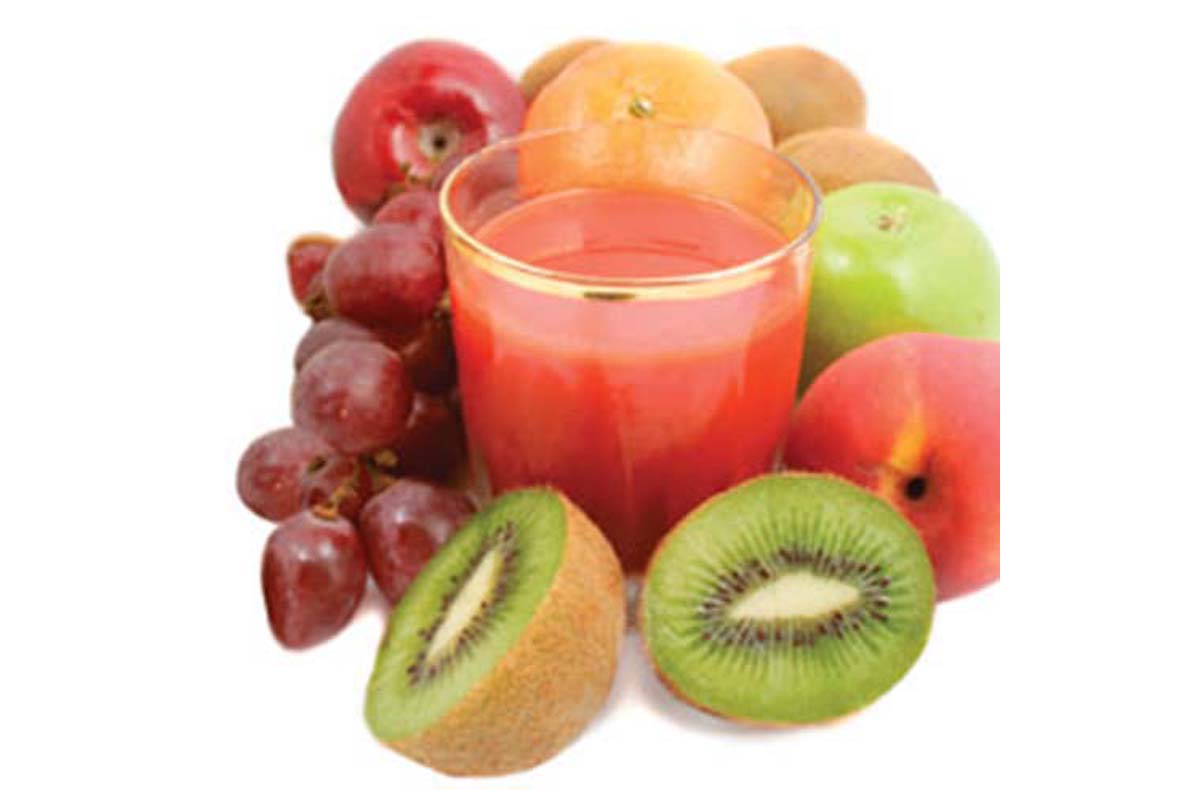
Antioxidants are abundant in most fruits and vegetables as well as many nuts and grains. The following list describes food sources of common antioxidants:
Beta-carotene is found in many foods that are orange in color, including sweet potatoes, carrots, cantaloupe, squash, apricots, pumpkin, and mangos. Some green leafy vegetables including collard greens, spinach, and kale are also rich in beta-carotene.
Lutein, best known for its association with healthy eyes, is abundant in green, leafy vegetables such as collard greens,spinach, and kale.
Lycopene is a potent antioxidant found in tomatoes, watermelon, guava, papaya, apricots, pink grapefruit, blood oranges, and other foods. Estimates suggest 85 percent of American dietary intake of lycopene comes from tomatoes and tomato products.
Selenium is a mineral, not an antioxidant nutrient. However, it is a component of antioxidant enzymes. Plant foods like rice and wheat are the major dietary sources of selenium in most countries. The amount of selenium in soil, which varies by region, determines the amount of selenium in the foods grown in that soil.Brazil nuts and garlic also contain large quantities of selenium.
Vitamin A is found in three main forms: retinol (Vitamin A1), 3,4-didehydroretinol (Vitamin A2), and 3-hydroxy-retinol (Vitamin A3). Foods rich in vitamin A include sweet potatoes and carrots.
Vitamin C is also called ascorbic acid, and can be found in abundance in many cereals and fruits including: apples, oranges, mangoes, pineapples, raspberries, strawberries, blueberries, pears, grapefruits and cranberries.
Vitamin E, also known as alpha-tocopherol, is found in many oils including wheat germ, safflower, corn and soybean oils,also in green leafy vegetables, whole grains, avocados, almonds, olives, mangos, nuts, broccoli and other foods.
These foods are also rich in antioxidants: green tea, rooibos, turmeric, gingko biloba, pecans, artichokes, beans and cocoa.
There are also many supplements available on the market. It's important to know that Antioxidants are specialists, not generalists. No one antioxidant works on all free radicals in every area of the body. Each antioxidant protects specific areas of the body.
Many researchers claim that elderly people, especially those who have reduced their food intake, frequent Aspirin users, heavy drinkers, smokers, and people with impaired immune systems may benefit from taking antioxidant supplements daily. In terms of heart disease and stroke, it is possible that higher levels of antioxidants slow or prevent the development of arterial blockages, a complicated process involving the oxidation of cholesterol. Moreover, antioxidants may deter the collection of plaque on arterial walls.
For supplements, it's best to use only natural isolates and avoid synthetics. For maximum protection you can get an antioxidant that provides full-spectrum defense, and you can take advantage of the synergistic effect of having a number of different antioxidants working together.
READ A Delicate Balance of Antioxidants May Determine Recurrence of Breast Cancer
Conclusion
For the vast majority of people, increasing your antioxidant intake can slow down the aging process, boost your immune system and reduce the risk of cancer, heart disease, arthritis and many other diseases. Also, being aware of the causes of free radicals and limiting your exposure to them, can make a big difference in your overall health and lifespan.
- Author's Bio: JSun is a Yoga Instructor, Personal Life Coach and teacher of Hawaiian LomiLomi Massage.
- image: www.healthnewswebsite.com
- www.benbest.com/nutrceut/AntiOxidants.html
- www.learnhawaiianmassage.com/vibrantblog