

Table of Contents
The most common chemical used to make bath salts is known as mephedrone. Possession, sale, or distribution of mephedrone has been illegal in the United Kingdom since 2010 and in the United States since 2011, as has possession, sale, or distribution of the related chemicals methylone and methylenedioxypyrovalerone.
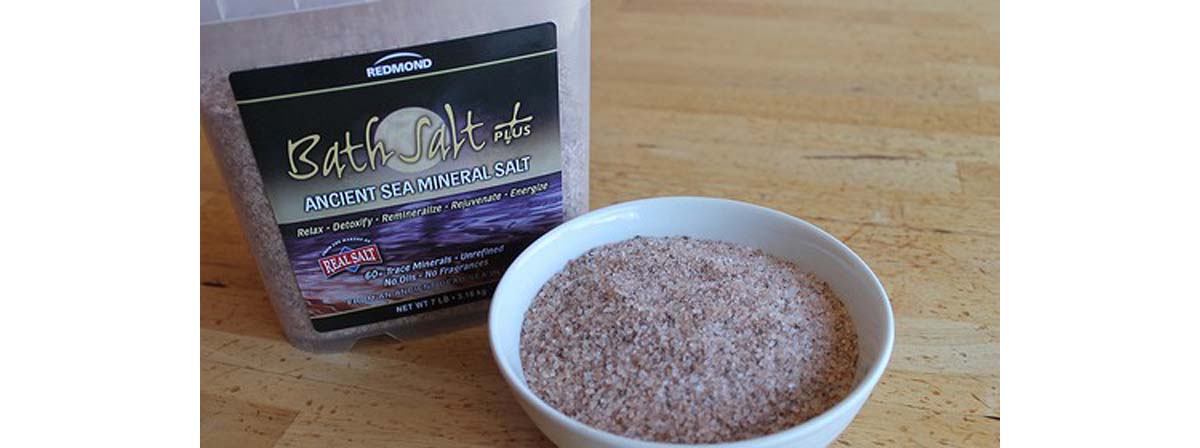
However, bath salts are a designer drug. This means that there are dozens of closely related chemical compounds that have the same effect as the three chemicals banned by federal law that have similar effects. In 2010, the Advisory Council on the Misuse of Drugs in the UK banned over 50 different chemicals that are similar to mephedrone, methylone, and methylenedioxypyrovalerone, but it only took a few days for chemists to create dozens more drugs with similar effects that were not covered by British law.
Similarly, in the United States, dozens of alternatives to the banned drugs began to appear almost at the same time President Obama signed the law banning the three original drugs. Some started being sold as "synthetic marijuana," although they have the exact opposite effects of smoking marijuana, and some dealers started pushing the banned herbal drug khat.
Bath salts remain easy to get over the Internet, and chemists working for the drug labs can make their products legal by changing a single molecule over and over again, faster than the US and UK national governments and the American states can ban them.
One of the designer bath salts, MPVD, cannot be detected by drug sniffing dogs or by urine tests (although it is possible to detect the drug from hair samples). And in no small part because of sensationalist coverage, bath salts have become the fourth most commonly used street drug in the USA, after marijuana, cocaine, and MDMA/molly/ecstasy.
So if there is someone in your life you think might be getting into trouble with bath salts, what can you do? Here are a few suggestions:
- Even if it seems your advice is falling on deaf ears, ask that at the very least your loved one avoids situations where everyone is using the drug. Toxic reactions to the drug, when they occur, usually start about 2 hours after it is taken. Death can occur in six. There needs to be someone around to get help if it is needed.
- By the same token, if someone you know is using bath salts, be careful. Dr. Mark Ryan, director of the Louisiana Poison Center, told the New York Times, "“If you take the worst attributes of meth, coke, PCP, LSD and ecstasy and put them together, that’s what we’re seeing sometimes." People on bath salts have become so agitated that they had to be put under general anesthesia to get calmed down.
- Be knowledgeable of the ruses dealers use to persuade users to buy their drugs. In the UK, it's not unheard of for bath salts to be sold as incredibly expensive "plant food." In the US, the product may be labeled as fertilizer or insecticide, or doses of bath salts far too small actually to use in the bath.
- Be aware that bath salts take a lot longer to wear off than cocaine or crystal meth. Even half a day after someone takes the drug, they may be easily provoked to violence.
- The effects of bath salts and khat may be especially severe in people who also take drugs for depression, aggravating the side effects of these drugs. Users of both bath salts and antidepressants may experience long-term or essentially permanent impotence (in men) or inability to have an orgasm (in women).
And be aware that the more someone uses bath salts, khat, or any drug in a class known as synthetic cathinones, the more of the drug will be needed to get high.
Long-term use of the drug interferes with the ability of the brain to make dopamine, the "fun chemical," so that anything that used to bring about a high, whether it's sex, drugs, or cheeseburgers, has to be consumed in ever increasing amounts.
- Goodnough A., Zezima K. An Alarming New Stimulant, Legal in Many States. New York Times. 16 July 2011.
- Wood DM, Davies S, Greene SL, Button J, Holt DW, Ramsey J, et al. Case series of individuals with analytically confirmed acute mephedrone toxicity. Clin Toxicol (Phila). Nov 2010. 48(9):924-7.
- Photo courtesy of Bruce by Flickr : www.flickr.com/photos/superfantastic/4054292367/
- Photo courtesy of Nina Nelson by Flickr : www.flickr.com/photos/shalommama/8496133910/