

Table of Contents
The best way to test bone strength and solidness is to undergo a bone mineral density test with a DEXA (dual-energy X-ray absorptiometry) scan, which is like an X-ray exam. The National Osteoporosis Foundation recommends testing men over age 70, as well as those aged 50-69 who have risk factors. Men who have noticed a height loss of more than half an inch in one year or 1 ½ inches from their original heights are also advised to take the test. Other indications for screening include men who experience back pain (since they are at risk for vertebral fracture), change in posture, and those who have a history of previous fractures after the age of 50.
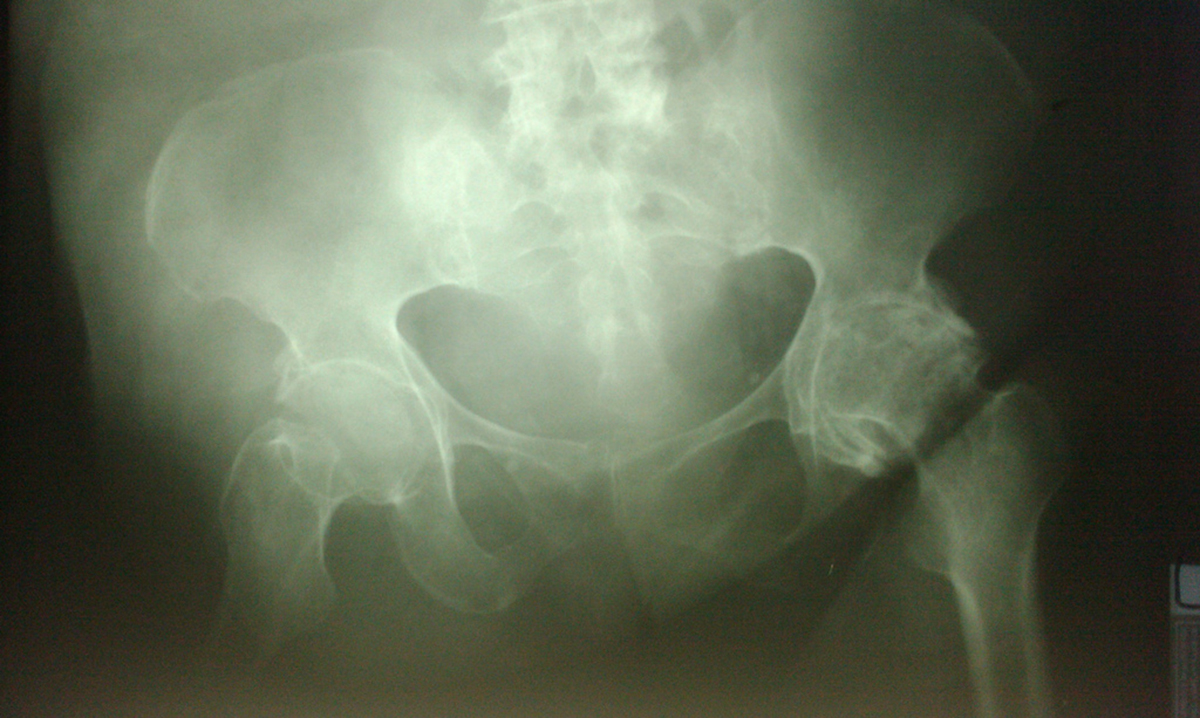
How to Prevent Osteoporosis
Exercise. One of the best ways to prevent osteoporosis is to stay physically active. Regular exercise helps keep bones and muscles strong. Experts recommend doing at least 30 minutes (cumulative) of moderate-intensity aerobic exercises daily. These include brisk walking, jogging, dancing, bicycling, and swimming. For additional benefits, one must also do muscle strengthening exercises, which consist of resistance training, such as weight lifting, pushing, and pulling. Apart from these, staying active also includes doing regular household chores such as gardening, mowing the lawn, and climbing stairs. Elderly people who have medical conditions should consult their doctors before starting a new exercise program.
Calcium Intake. Adults between 18 and 50 years old need 1,000 milligrams (mg) of calcium daily. This amount must be increased to 1,200 mg daily when women reach the age of 50, and men, 70. Calcium-rich foods include:
- Dark green leafy vegetables
- Low-fat dairy products
- Soy products
- Canned sardines/salmon with bones
- Calcium-fortified orange juice and cereals
However, the Institute of Medicine recommends that one’s total calcium intake from food and supplements should not exceed 2,000 mg daily after the age of 50.
Vitamin D Intake. Vitamin D is manufactured in the skin after exposure to sunlight. However, some people who do not get enough sunlight exposure may need to obtain it from food and supplements. It may be found in egg yolks, fortified dairy products, liver, and saltwater fish. Vitamin D supplements may be taken to have a daily intake of 400-800 IU of the vitamin.
Healthy Lifestyle. Reduce your risk of osteoporosis by not smoking, drinking alcohol moderately, and maintaining a healthy weight.
Consult Your Doctor. Other risk factors include chronic medical conditions that predispose to weakening of bones, such as liver, kidney and thyroid disease, intake of certain medications like corticosteroids, low testosterone levels, and prostate cancer treatment. Tell your doctor about these conditions so that proper treatments can be done to reduce your risk of fractures.
READ Osteoporosis Can Strike at Thirty
Treatment of Osteoporosis
Medical treatment for osteoporosis is necessary to prevent pathological fractures which can be life-threatening. This includes medications like:
- Alendronate (Fosamax)
- Risedronate (Actonel)
- Zoledronic acid (Reclast) IV
- Teriparatide (Forteo) SQ
- Testosterone replacement therapy
- Calcitonin injection or nasal spray
The choice of treatment depends on the cause of osteoporosis. Most treatments show immediate improvement within a year and may reduce the likelihood of fractures by half.
- ScienceDaily. Why men are the weaker sex when it comes to bone health. http://www.sciencedaily.com/releases/2014/10/141009091937.htm
- International Osteoporosis Foundation. Patient Brochure. http://share.iofbonehealth.org/WOD/2014/patient-brochure/WOD14-patient_brochure.pdf
- WebMD. New Guidelines for Osteoporosis in Men. http://www.webmd.com/osteoporosis/news/20080507/new-guidelines-for-osteoporosis-in-men
- EMedicineHealth. Osteoporosis in Men. http://www.emedicinehealth.com/osteoporosis_in_men/article_em.htm
- Photo courtesy of Alcaldia de Joseph Cueva 2009-2014 by Flickr: www.flickr.com/photos/municipiopinas/4639360557
- Photo courtesy of Phalinn by Flickr: www.flickr.com/photos/phalinn/4198889249
- www.sciencedaily.com
- iofbonehealth.org
- www.webmd.com
- www.emedicinehealth.com
Your thoughts on this