

Young and innocent live in a world of torment not understanding why the people they look to for protection are the very people who abuse and neglect them.
It’s a world of confusion for these children as they continue to look to their caretakers for the love they desire but continue to find abuse and neglect. The old adage, “It takes a village to raise a child” is so very true; we must be aware and available to step in and speak for the children who can’t find their voice.
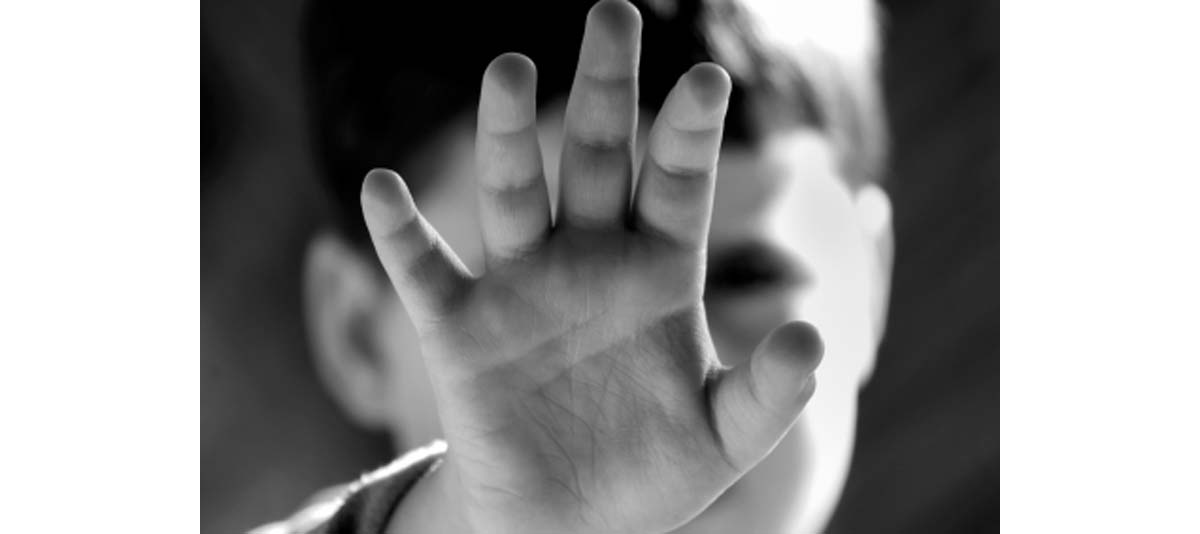
Signs of Abuse and Neglect
A child will seldom openly admit that he/she is the victim of abuse or neglect; you must be able to identify common signs and symptoms of behaviors associated to a child that is being abused or neglected. The following are some of those signs to look for:
- A sudden and distinct change in personality or behavior
If a child has always been outgoing and polite, their behavior may change to being withdrawn and rude.
- A sudden change in grades at school
If you notice a child that has always done well in school and then suddenly begins doing poorly, this is a good indicator that something may be going on emotionally with the child.
- When a child does not receive help from a parent when a problem has been reported to the parent.
If there has been a medical or emotional problem noted and the parent has been made aware of this problem but still does nothing about it, this is a good indicator that the child is not being cared for properly at home.
- When the child suddenly has problems concentrating or paying attention.
If you notice a child that seems pre-occupied and is having a great deal of trouble paying attention to simple tasks, this is a good indicator that there may be a problem.
- When a child seems jumpy or paranoid
A child that is abused will begin acting as though they are waiting for something to happen and they will often display signs of being anxious or jumpy.
- When there is an obvious lack of supervision by an adult.
A child that wears dirty clothes, is lethargic from staying up too late, or shows signs of being hungrier than usual might be signs that a parent is not supervising the child at home and the child is spending a lot of time on their own.
- When a child easily agrees to almost anything.
A child who will agree to do anything is a child that is trying to ward off disapproval from their peers and other adults. This is a good indicator that there is a problem at home in which the child is trying to prevent further abuse by being overly compliant.
- When a child shows up early to school or an event and tends to stay as late as he/she can.
A child that tends to show up early to school and stays until he/she is the last one in class, is attempting to distance themselves from a possibly bad situation at home.
Teachers are most likely to spot these types of signs and symptoms from a troubled child but other adults such as a friend’s parent or bus driver can also be aware of changes in a child’s behavior. There are also indicators as to how the parent of the child in question behaves towards the child which can be warning signs that the child and parent have a strained relationship that might include abuse and neglect. Some of the signs a parent might display are as follows:
- When a parent shows very little interest in the child’s life.
When a parent doesn’t show up for a scheduled parent/teacher meeting, or special function that the child is involved in, this is a good warning sign that the parent is not showing the level of concern for the child as he/she should be showing.
- When a parent aggressively denies that there is a problem with the child either at school or at home.
When a parent denies any types of problems or tries to shift the blame of a problem onto the child, this is a good indicator that the parent could be neglectful or abusive.
- When a parent speaks of their child as being a burden or very troublesome.
A parent that continually speaks negatively about the child and how much trouble it is to care for the child, this parent is showing signs of neglect and abuse.
- When a parent expects far too much from a child.
When a parent expects a child to excel higher than what is possible for that child, this puts a heavy strain on the child to perform in ways that are never satisfactory to the parent. The child can never accomplish what the parent asks of him/her and often mentally abuses the child into believing he/she is not good enough.
A parent who abuses or neglects a child will often confine that abuse to behind closed doors. They will seldom display the actual abuse in public and thus is the reason it is so important to recognize the warning signs that a child will display if he/she is being abused or neglected. Far too many people don’t want to get involved and will dismiss the warning signs, sadly, until it is too late.
Should you notice one or more of these warning signs of abuse or neglect, it is imperative that you keep good notes as to your fears and then report your suspicions to the school counselor, principal, or children services. We should all remember that it “takes a village to raise a child” and without our intervention a child could be lost forever to abuse and neglect at the hands of the people who are supposed to love and protect that child. A child’s life is always worth getting involved in.
- www.childwelfare.gov/can/identifying/recog_signs.cfm
Your thoughts on this