May 21, 2006
Antibiotics & Alcohol: The truth and myths
by SirGan/Prescription & Over-The-Counter Drugs
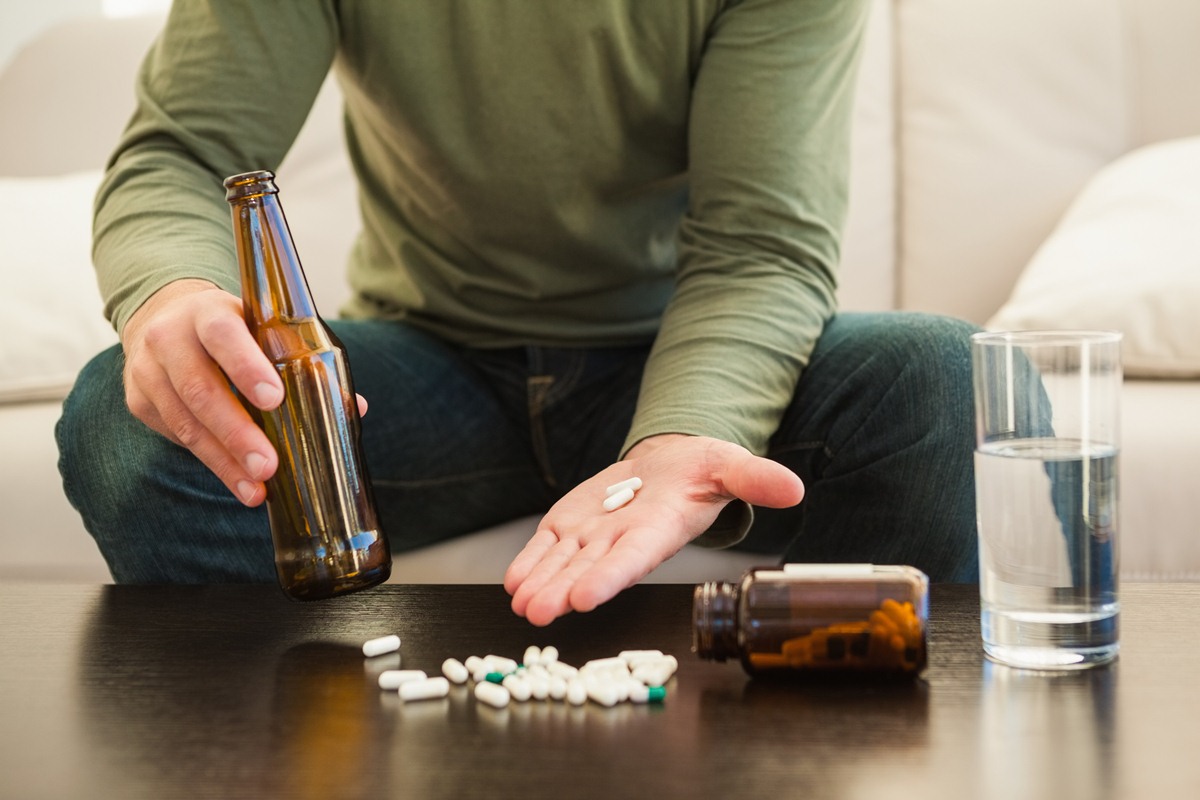
Although there are many stories regarding the possible outcomes of mixing alcohol and antibiotics, most of them are just myths!
One of the greatest myths is that mixing antibiotics and alcohol could seriously mess one up. Although doctors do not advise mixing medicines with alcohol, only few drugs are actually affected by the combo. The fact is: antibiotics have different routes of leaving the body. They are broken down by the liver, excreted in the urine or passing straight through in the feces. The excretion route determines how long the drugs stay active in the body and how often they need to be taken. What alcohol may do in combination with antibiotics is increase the drugs’ excretion rate or slow down the rate drugs are being broken down.
Antibiotics
What kind of drugs are antibiotics? These drugs kill or slow the growth of bacteria. They belong to the class of antimicrobials, a larger group which also includes anti-viral, anti-fungal, and anti-parasitic drugs.
Aminoglycosides
- Amikacin
- Gentamicin
- Kanamycin
- Neomycin
- Netilmicin
- Streptomycin
- Tobramycin
Carbacephem
- Loracarbef
Carbapenems
- Ertapenem
- Imipenem/Cilastatin
- Meropenem
Cephalosporins
- Cefadroxil
- Cefazolin
- Cephalexin
- Cefamandole
- Cefoxitin
- Ceftriaxone
- Cefepime
Glycopeptides
- Teicoplanin
- Vancomycin
Macrolides
- Azithromycin
- Clarithromycin
- Dirithromycin
- Erythromycin
- Troleandomycin
Monobactam
- Aztreonam
Penicillins
- Amoxicillin
- Ampicillin
- Azlocillin
- Carbenicillin
- Cloxacillin
- Dicloxacillin
- Flucloxacillin
- Mezlocillin
- Nafcillin
- Penicillin
- Piperacillin
- Ticarcillin
Polypeptides
- Bacitracin
- Colistin
- Polymyxin B
Quinolones
- Ciprofloxacin
- Enoxacin
- Gatifloxacin
- Norfloxacin
- Ofloxacin
- Trovafloxacin
Sulfonamides
- Mafenide
- Prontosil (archaic)
- Sulfacetamide
- Sulfamethizole
- Sulfanilimide (archaic)
- Sulfasalazine
- Sulfisoxazole
- Trimethoprim
Tetracyclines
- Demeclocycline
- Doxycycline
- Tetracycline
Alcohol-Medication Interactions
Many medications and not only antibiotics in interaction with alcohol could lead to:
• increased risk of illness
• injury
• death.
Statistics show that alcohol-medication interactions made at least 25 percent of all emergency room visits.
Incidence of the alcohol-drugs interactions
Over 2,800 prescription drugs are available in the United States today and health experts prescribe 14 billion of them annually. Additionally, there are around 2,000 over-the counter medications. With 70 percent of the adult population consuming alcohol occasionally and 10 percent drinking daily, some concurrent use of alcohol and medications is inevitable.
Although people age 65 and older make only 12 percent of the population, they consume 25 to 30 percent of all prescription medications and may be more likely to use them along with alcohol consumption. This puts this age group at particular risk for suffering the adverse consequences of such combinations. They are also more likely to experience medication side effects in comparison to younger people, and these effects tend to get more severe with advancing age.
How Do Alcohol and Medications Interact?
To serve the purpose they are made for, medications must travel through the bloodstream to its site of action, where they produce changes in an organ or a tissue. After having the job done, the drug's effects diminish as they are metabolized by enzymes and eliminated from the body. Similarly, alcohol also travels through the bloodstream, acting upon the brain to cause intoxication, and is finally being metabolized and eliminated, principally by the liver.
What alcohol can do when taken along with medications is affect the extent to which an administered dose of a drug reaches its site of action.
Typical alcohol-drug interactions include:
• An acute dose of alcohol will start competing with the drug for the same set of metabolizing enzymes and inhibit the drug's metabolism. This will prolong and enhance the drug's availability, which could in return increase the patient's risk of experiencing harmful side effects from the drug.
• On the other hand, long-term alcohol ingestion may activate drug-metabolizing enzymes, and diminish its effects by decreasing the drug's availability. Once these enzymes are activated, they remain in the body even in the absence of alcohol, affecting the metabolism of certain drugs for several weeks after cessation of drinking.
• This is why a recently abstinent chronic drinker may need higher doses of medications than those required by nondrinkers to achieve therapeutic levels of certain drugs.
• Chronic alcohol consumption activated enzymes that could turn some drugs into toxic chemicals that could damage the liver and other organs.
• Alcohol can magnify the inhibitory effects of sedative and narcotic drugs at their sites of action in the brain. To add to the complexity of these interactions, some drugs affect the metabolism of alcohol, thus altering its potential for intoxication and the adverse effects associated with alcohol consumption.
Both medical doctors and pharmacists are well aware of the few side effects that could occur when mixing alcohol and a small number of modern drugs.
The side effects include:
• nausea,
• vomiting,
• convulsions,
• abdominal cramps,
• headaches,
• fast heart rate and
• flushing.
Alcohol can put an extra load on the patient’s liver and the immune system and impair their judgment, liberate aggressive tendencies, and reduce energy.
Antibiotics and alcohol
Only few classes of antibiotics should be avoided when drinking alcohol.
It is crucial to completely avoid drinking when taking the following antibiotics:
• Metronidazole – the side-effects include flushing, breathlessness, headache, increased or irregular heart rate, low blood pressure, nausea and vomiting.
• Tinidazole is chemically similar to metronidazole and may cause the same reaction
• Furazolidone (Furoxone),
• Griseofulvin (Grisactin),
• Antimalarial Quinacrine (Atabrine)…
Interactions with other medications
Anesthetics
Anesthetics are administered before the surgery or a painful procedure to render a patient unconscious and insensitivity to pain. Chronic alcohol intake will increase the dose of medications required to induce unconsciousness or insensitivity and increase the chances of liver damage that could be caused by the anesthetic gas enflurane (Ethrane).
Anticoagulants
Warfarin is prescribed to prevent blood clots from forming or growing larger in your blood and blood vessels. Acute alcohol dosage will enhance the drug’s availability and increase the patient's risk for life-threatening hemorrhages. Chronic alcohol intake, on the other hand, will reduce drug's effects, decreasing the patient's safety from the consequences of blood-clotting disorders.
Antidepressants
Since alcoholism and depression are frequently associated, a high potential for alcohol-antidepressant interactions exists. Acute alcohol consumption increases the availability of certain tricyclics, potentially increasing their sedative effects while chronic alcohol consumption increases the availability of some tricyclics and decreases the availability of others. However, the significance of these interactions is unclear. These chronic effects persist in recovering alcoholics.
A chemical called tyramine, present in some beers and wine, acts together with some anti-depressants, such as monoamine oxidase inhibitors, to produce a dangerous rise in blood pressure.
Anti-diabetic medications
Oral hypoglycemic drugs are used to lower blood glucose in people who have diabetes and are also able to make some insulin. While acute alcohol consumption prolongs, chronic alcohol consumption decreases the availability of tolbutamide. Alcohol can also interact with some drugs of this class to produce symptoms of nausea and headache.
Antihistamines
Antihistamines are available without prescription to treat allergic symptoms and insomnia. Alcohol has been found to intensify the sedation caused by some antihistamines. Since these drugs cause excessive dizziness and sedation in older persons, this population should be extremely wary of possible adverse reactions that could results when combining alcohol and antihistamines.
Cardiovascular medications
Acute alcohol consumption interacts with some of the cardiovascular medications and may cause dizziness or fainting upon standing up.
These drugs include
• Nitroglycerin, used to treat angina,
• Reserpine, Methyldopa, Hydralazine, and Guanethidine, used to treat high blood pressure.
Chronic alcohol consumption decreases the availability of Propranolol, used to treat high blood pressure, potentially reducing its therapeutic effects.
Conclusion
Individuals who drink alcoholic beverages should know that simultaneous use of alcohol and medications does have the potential to cause problems.
Antibiotics may have a variety of side effects, even when not drinking alcohol along with the treatment. These side effects could only be worsened by alcohol consumption, which could induce or increase sleepiness and dizziness. Drinking and driving should be avoided especially if the person is affected by either alcohol alone or in combination with the medical treatment.
Important notification about information and brand names used in this article!
- www.alcoholism.about.com
- http://en.wikipedia.org/wiki/Antibiotic#Antibiotics_and_alcohol
- http://www.mayoclinic.com/health/antibiotics-and-alcohol/AN01802
- http://www.abc.net.au/science/articles/2005/06/02/1380836.htm
- http://www.aadac.com/87_143.asp
- Sugar Addiction: How to Stop Sugar Cravings
- Oral Cancer: Risks, Causes, Symptoms and Treatments
- Water Retention (Edema): Causes, Symptoms and Treatments
- Alternative Liver Cancer Treatments
- Sore Throat Remedies You Should Have In Your Kitchen
- Vitamin C - The Overlooked Miracle Drug
- Allergic To Cats And Dogs
- The Dangers Of Prescription Drugs
- Tips For Breast Cancer Prevention
- Natural And Medical Hangover Remedies
- Mental Health Linked To Newborn Deaths
- Addiction in general
- Signs and Symptoms of Restless Legs Syndrome
- Who Is At Risk for High Blood Pressure?
- Aging and Alcohol Abuse
- Different types of self-defense sports (Martial Arts)
- Reducing incidence of stroke with thrombolytics
- Proper usage of your health insurance
- Impact Of Poor Dental Health
- Helping people cope with their chronic illness
- Going-To-Bed-Late - Impact on Health and Academic achievement
- Dealing with your partner's sexual dysfunction
- Television impact on children's knowledge and behavior
- Constipation & Laxative Usage
- How does meditation work?
- Physical Activity Reduces Chances Of Cancer
- Recovery After A Job Loss
- Pollen Allergy Treatment
- Over-The-Counter Contraceptive Pills Do Not Work
- Green Tea For Weight Loss
- Low Calorie Recipes For Weight Loss
- Fat Burners That Could Help You Loose Weight
- Liposuction Offers Benefits for Many
- Diet Pills And Weight Loss Facts
- Fibromyalgia & Chronic Fatigue Syndrome
- Pimple-like Bumps on Penis and Testicles
- Marijuana: Pros and cons
- Abortion: Yes or No?
- Am I pregnant?
- Is Masturbation Okay? (YEP)
- Implantation bleeding or period?
- Consequences of over-masturbation
- Tonsillitis, Tonsillectomy, Adenoidectomy and possible side effects
- Hyperparathyroidism: Symptoms & Treatment
- Male G-spot
marcusm
TaniaT
pseudonim
MariAnne
KyleNorton
SirGan
heidi
Jane23
MassageInfo
akessler
Dr. Shelley Narula
Ng Peng Hock
Brodeur
lkrieger
Margaret Paul, Ph.D.
Lloyd M. Krieger, MD
Roy
keekee
jrobin8168
Dr. Soni Vijay
Danny
GritPT
Dr.Phil Hariram
Billy
DannyElle
JSun
Michelle Ludick
Michelleludick
EcoChuck
Farrell Seah
Ron Gullekson (GritPT)
Sharron
Tim
DanDan
Lori
Bobby
Mark
Miia
sorensen
rattebery
drtomt
Jaks
Simon Wu
Sonnyj
helene
simone
Phil Bate PhD
admin
jane23
Dana Fenton
Monique Connor
Jo Jackson
JR1
Debbie Strange