

Table of Contents
This is a question that has an opinion for an answer. The truth is, you need to make sure your teen is communicating well with you and mature enough for this challenge. There are personal safety practices you can teach your teenager that will protect them from harm.
First, let him take a basic self-defense class or teach it yourself. This would involve simple instructions that allow him to disable an assailant.
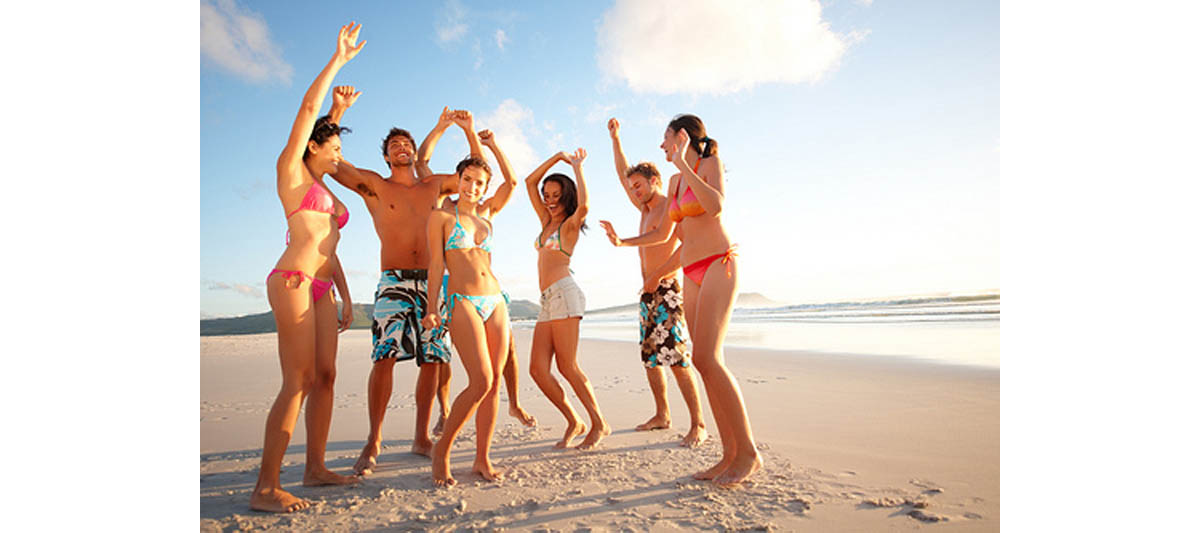
Another tactic is to research the destination so you know what to expect in terms of the attitudes toward the foreigners and dangers of the area. Request a room that is on the ground floor, near the lobby desk, and without windows. This would prevent balcony falls, offer assistance quickly if need be, and keep predators out. Another option is to teach him to avoid opening the door to people who are not known to him. Make the hotel staff aware that you are a teen traveling without an adult and give them emergency numbers to your parents.
A common sense practice is to trust your intuition and avoid places that look risky or dangerous. Encourage your teen to dress like a local resident and keep money out of view of others. The most important thing your teen can do is to stay sober and clear thinking at all times. No matter what their age, your teenager does not need to be trusting with strangers.
It's crucial to research travel vaccinations for specific destinations and consider travel insurance for unforeseen incidents. Knowledge of local emergency numbers and understanding safe food and water sources can prevent potential mishaps. Personal safety, such as sharing their whereabouts with trusted individuals and avoiding risky areas, is essential. They should be aware of local customs and laws, exercise caution with unfamiliar substances, protect personal belongings, and prepare for natural hazards specific to the destination. Carrying a basic first aid kit and ensuring they remain hydrated and well-rested can make their travel experience safer and more enjoyable.
Teenagers venturing on trips should grasp financial responsibility. This entails creating a realistic budget, considering accommodation, food, transport, and unforeseen expenses. They should inform their bank about their travel to avoid account freezes, understand foreign currency exchange rates, and safeguard their cash and cards. Using a mix of cash, cards, and digital payments offers flexibility. Keeping track of expenditures, opting for student discounts, and setting aside emergency funds are also pivotal. Financial preparedness ensures a smooth, enjoyable journey.
One more thing, when teenagers travel, understanding local customs and laws is vital. This ensures respectful interactions and avoids unintentional offenses or legal issues. They should research dress codes, greeting norms, tipping practices, and any restricted behaviors. Familiarity with local laws, especially concerning drugs, alcohol, and public conduct, safeguards them from inadvertent transgressions and potential legal consequences.
Things your Teen Should Remember
- Be sure to carry your credit cards, cash, and keys in your pants or jacket pocket and keep a close watch on them. This way it is easier to let go of your bag or purse if you are robbed.
- Avoid demonstrations or unruly crowds and identify a safe place you can go in case of a problem.
- If you feel uncomfortable, leave the situation immediately.
- Keep a pocket interpreter available so you can communicate with the local people and ask for assistance when necessary.
- Make sure your cellphone can be used to make international calls if you are traveling abroad.
Things Your Teen Needs to Take on the Trip
- A cellphone so he can call in the event of emergencies and keep track of the time. Make sure he adjusts it for different time zones.
- Quarters for snacks and emergency phone calls.
- A list of phone numbers of the people traveling with him, the hotel desk, parents, and emergency services.
- A calling card could come in handy in case of a misplaced or lost cellphone.
- Student ID or some form of ID. Remember, tickets are pre-paid and cannot be picked up without this. If there were to be an accident, the ID is necessary.
- A whistle and a bottle of mace.
- A carry-on bag is more portable and functional that checking bags.
- EHow.com. (2011). How to travel alone. Retrieved from: http://www.ehow.com/how_2954_travel-alone.html
- Moorhead, J. (2011). Guardian.co.uk. When are teenagers old enough to go on holiday without their parents? Retrieved from: www.guardian.co.uk/lifeandstyle/2009/aug/21/teenagers-holiday-alone-parents
- Photo courtesy of Eunice by Flickr : www.flickr.com/photos/ejchang/2585540153/
Your thoughts on this