

Table of Contents
The Danger Of Statistics
Ectopic pregnancies can occur in any woman, but women between the ages of 35 and 44 have a higher incidence than younger women, and ectopic pregnancies are also more likely to strike in women who have been pregnant before. In the US, women who are not white are more likely than white women to suffer an ectopic pregnancy. An infection of the fallopian tubes, salpingitis, is the most common cause of ectopic pregnancies. While salpingitis is the culprit in about 40 percent of all ectopic pregnancies, the cause remains undetermined in the majority of the rest of the cases.
A whopping 97 percent of all ectopic pregnancies occur within the fallopian tubes, with less than one percent each occurring within the ovaries, cervix, or abdomen.
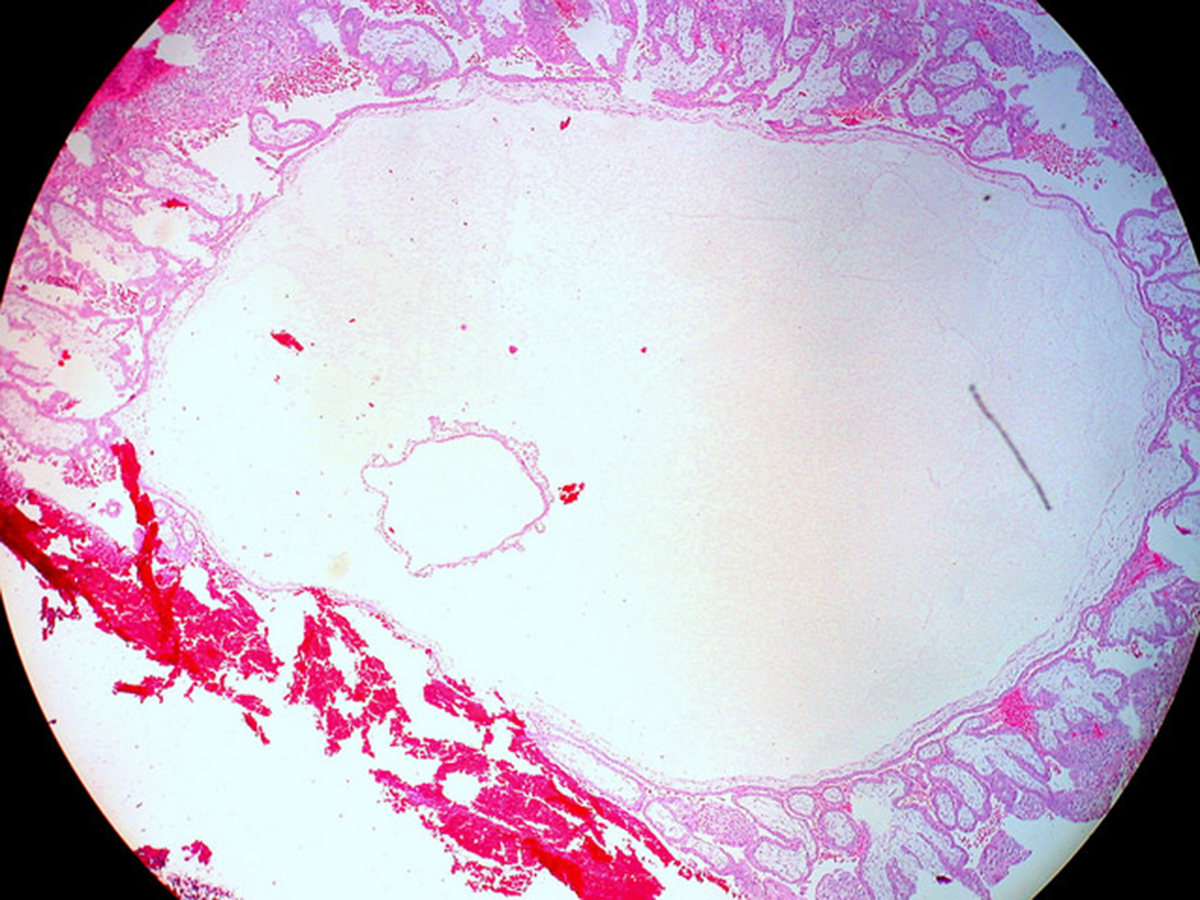
Neither Emma nor Ann Marie neatly fit into these statistics, which doctors are all too familiar with. Was Emma's ectopic pregnancy initially missed solely because of her history of miscarriage combined with a failure to look at the ovarian region during ultrasounds? Almost certainly.
Symptoms Of Ectopic Pregnancy
Yes, they were already mentioned in this article — abdominal pain, often one-sided, nausea and vomiting, pain in the shoulders, neck and rectum, bleeding, dizziness, light-headedness, and a feeling of general weakness are all symptoms of ectopic pregnancy. Those symptoms do not represent the full story, however. Another key symptom is rising levels of the pregnancy hormone hCG, even after a suspected miscarriage and after an ultrasound revealed an empty uterus. Continued pregnancy symptoms following a suspected miscarriage are another symptom. If the ectopic pregnancy was located in a fallopian tube and the tube ruptures, pain severe enough to cause fainting is another symptom. Finally, an ultrasound location of the ectopic pregnancy can offer a definite diagnosis.
READ Ectopic Pregnancy: Beyond The Fallopian Tubes
The Role You Can Play In Your Diagnosis
Emma came to the conclusion that ectopic pregnancy was a likely possibility because of that very phenomenon many doctors disdain — because of "Dr Google" — combined with the experience she already had with miscarriage, and her ability to recognize that this time was different. She received an accurate diagnosis in a fairly timely manner because she trusted her gut instinct and kept on reaching out to her healthcare providers, who initially, based on the knowledge they had, failed to look at the possibility of ectopic pregnancy.
Though doctors hold the key to medical knowledge, we ourselves experience the symptoms going on in our own bodies. Ectopic pregnancies can quickly become life-threatening, and as such we shouldn't underestimate the power we have to contribute to the right diagnosis.
- Photo courtesy of jollofandmalt: www.flickr.com/photos/119697633@N05/12998101554/
- Photo courtesy of jollofandmalt: www.flickr.com/photos/119697633@N05/12998101554/
- Photo courtesy by euthman: www.flickr.com/photos/euthman/304334264/
- Photo courtesy of euthman: www.flickr.com/photos/euthman/304334264/