

Abdominal Problems In Pregnancy
During pregnancy, your body goes through huge changes — your uterus is growing and expanding. Therefore, your organs are shifting and your ligaments must stretch to adjust to these changes. If these changes weren't enough — let’s not forget the morning sickness, the heartburn, the cramps in your legs, puffiness around eyes, that dark line on your tummy, and oh yes, even cramping and occasional abdominal pain is something you will get familiar with during your pregnancy.
Abdominal pain during pregnancy can be completely harmless. For example, round ligament stretching or pain caused by constipation or gas will cause minor or even moderate pain in the lower abdomen during pregnancy, but this is not a serious condition and is actually nothing to be worried about. On the other hand, abdominal pain during pregnancy is not always something you should take lightly, especially if it’s accompanied by other symptoms such as fever, vaginal discharge, nausea, and others.
A pregnant woman has to distinguish what is and what is not a cramp. A cramp could easily be confused with a minor contraction (Braxton-Hicks contraction), which happens from time to time and is no cause for alarm. It is just a signal that the uterus is preparing itself for the upcoming birth.
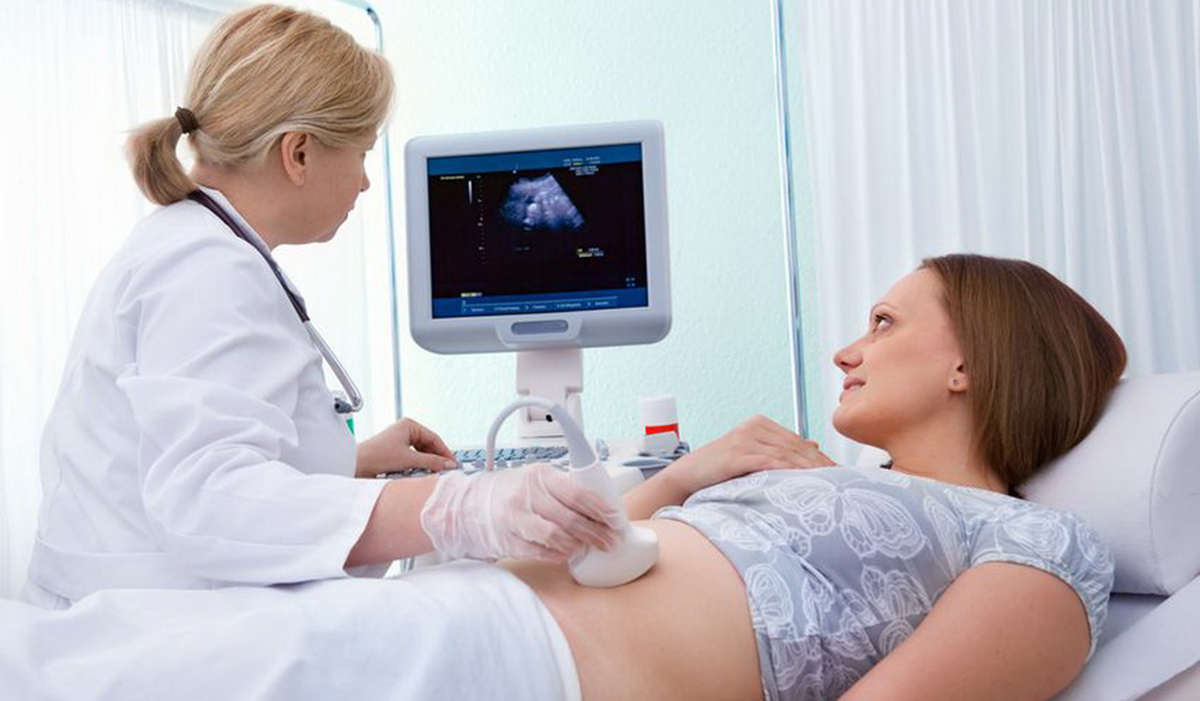
There are several potential reasons for cramps and pain in the lower abdomen during pregnancy, but most of the time, it’s nothing serious. So the question for all pregnant women is whether or not it is normal to experience some abdominal pain during pregnancy, and what serious problems can cause abdominal pain.
Causes Of Abdominal Pain During Pregnancy
Occasional abdominal discomfort is a common pregnancy complaint [1], but it can also be a sign of a serious problem.
Severe or persistent abdominal pain during pregnancy is never normal.
When a pregnant woman experiences abdominal pain or cramping along with spotting, bleeding, fever, chills, vaginal discharge, and faintness, this is the time she must visit the doctor or ER.
Symptoms such as discomfort while urinating, nausea, and vomiting, or the pain not subsiding after several minutes of rest, require a doctor's exam.
Severe Causes Of Abdominal Pain During Pregnancy
Ectopic Pregnancy
An ectopic pregnancy is one of the potential causes of abdominal pain during pregnancy. It occurs when a fertilized egg is implanted outside the uterus, typically in one of the fallopian tubes [2].
The problem is usually discovered during the first three months of pregnancy, or before you even know you are pregnant. If an ectopic pregnancy is left untreated, the fallopian tube in which it is hosted can rupture and this can become life-threatening, so if you have any of the following symptoms, you must call your practitioner immediately [2]:
- Abdominal or pelvic pain or tenderness
- Vaginal spotting or bleeding (which can be red or brown, copious or scanty, and continuous or intermittent)
- Pain that gets worse during physical activity or while moving bowels or coughing
- Pain in the tip of the shoulder
- Any sign of shock, such as a racing pulse, pale, clammy skin, or dizziness or faintness
Miscarriage
Bleeding is generally the first symptom of a miscarriage, followed by abdominal pain a few hours to a few days later. The pain of a miscarriage can be crampy, similar to menstrual cramps, but it’s often stronger and rhythmic [3].
Some women feel the pain of miscarriage as a low backache, others as a dull abdominal pain or pelvic pressure, but both refer to the same problem. It is important to know that a pregnant woman should call her practitioner if she has any signs of a miscarriage, such as severe pain or heavy bleeding. [3]
Four decades of studies reveal that miscarriage is a very common occurrence, especially in the first trimester. [4]
According to a study that evaluated the manifestation of miscarriage in healthy women during different stages of gestational age, 22% to 75% of all pregnancies end in miscarriage during very early pregnancy (up to 5 weeks of gestational age). However, after the first trimester, the occurrence of miscarriage drastically falls. [5]
Preterm Labor
A woman has problems with premature labor if she starts having contractions that efface or dilate the cervix before 37 weeks of pregnancy. [6]
Any symptom in the second or third trimester that refers to
- An increase in vaginal discharge,
- Or a change in the type of discharge,
should be reported to the doctor as soon as possible.
If the vaginal discharge is particularly watery, mucus-like, or bloody, and even if it's pink or just tinged with blood, it should be considered a potential symptom of preterm labor, as you may be losing the so-called mucus plug that covers the cervix during pregnancy.
Placental Abruption
Placental abruption is the partial or complete separation of the placenta from the uterus, a serious problem if it happens before the baby is born. [7]
If you notice any of the following symptoms of placental abruption, please contact your healthcare provider as soon as possible, or go to ER.
Also, if you notice a decrease in the baby's activity, you need to immediately call your doctor.
Babies usually move approximately 10 times in two hours, some more, some less. If you have a concern about your baby's movements, you should first sit down or lay down in a quiet place and focus on feeling your baby's movements.
Other Causes Of Abdominal Pain During Pregnancy
Preeclampsia
Preeclampsia is diagnosed if a woman has high blood pressure and protein in the urine after 20 weeks of pregnancy [8]. Preeclampsia is a disease common in pregnancy and causes spasms and other changes in blood vessels. Therefore, abdominal pain during pregnancy could signify that a woman might suffer from preeclampsia symptoms. Preeclampsia can affect a number of organs, including the liver, kidneys, brain, and the placenta. It is commonly accompanied by swelling of the face or puffiness around the pregnant woman’s eyes. A slight swelling of the hands or excessive or sudden swelling of the feet or ankles could also happen as a result of preeclampsia. And water retention can also add up to a rapid weight gain. When severe preeclampsia happens, a woman may also experience:
- Intense pain or tenderness in the upper abdomen,
- A severe headache,
- Visual disturbances,
- Nausea and vomiting.
Similar to any other life threatening problems, preeclampsia requires an immediate doctor's exam.
READ Urinary Tract Infections in Women: Why they occur and how to treat them?
Urinary Tract Infections During Pregnancy
Being pregnant makes you more susceptible to urinary tract infections of all kinds, including kidney infections. Symptoms of a bladder infection are [9]:
- Pain, discomfort, or burning when urinating,
- Pelvic discomfort or lower abdominal pain,
- The frequent or uncontrollable urge to pee, even when there is very little urine in the bladder,
- Cloudy or foul-smelling urine could also be the sign of a bladder infection.
Since an untreated bladder infection can also lead to a kidney infection and premature labor, these symptoms should not be ignored.
Signs that the infection has spread to the kidneys, and that it’s high time to seek medical attention, may include [10]:
- A high fever with shaking, chills, or sweats.
- Pain in the lower back or inside just under the ribs, on one or both sides,
- Nausea and vomiting,
- And possibly blood in the urine.
These are all symptoms that should be reported to the doctor as soon as possible.
- A stomach virus or food poisoning,
- Appendicitis, but it can be difficult to diagnose in pregnancy because as the uterus enlarges, the appendix pulls up and can get up near the belly button.
- Kidney stones,
- Hepatitis,
- Gallbladder disease,
- Pancreatitis,
- Abdominal pain during pregnancy can often be a result of gallstones, which are more common during pregnancy especially in women who are older than 35 and overweight. Pain caused by gallstones is located in the upper right abdominal quadrant, is usually severe, and may spread to a woman’s back or right shoulder blade.
- Bowel obstruction is also common and may be caused by the pressure of the growing uterus on previously scarred intestinal tissue — it’s most likely to occur in the third trimester.
What Are Causes Of Harmless Abdominal Pain And Discomfort During Pregnancy?
Not all abdominal discomfort is a sign of a serious problem. For example, a pregnant woman may notice a bit of cramping during or right after an orgasm. However, as long as it is mild and short-lived, it is perfectly normal and nothing to be alarmed about.
The following are some of the most common causes of harmless abdominal discomfort during pregnancy.
- Gas and bloating are more likely to occur during pregnancy because of the hormones that slow digestion and the pressure of the growing uterus on your stomach and intestines.
- Constipation is another common cause of abdominal discomfort throughout pregnancy, caused by hormones that slow the movement of food through the digestive tract, and the pressure of the growing uterus on the rectum. To relieve constipation, do not self-medicate with laxatives or any other drugs. Make sure you consume plenty of vegetables that are high in fiber and that you are well hydrated. Mild exercise such as walking also helps in relieving exercise.
READ Best Food for Constipation
- Round ligament pain is generally either a brief, sharp, stabbing pain or a longer-lasting, dull ache that pregnant woman feels on one or both sides of their lower abdomen or deep in the groin. This pain usually starts in the second trimester, when the ligaments that support the uterus in the pelvis stretch and thicken to accommodate its growing size. A woman may also feel a short jabbing sensation if she suddenly changes position, such as when she is getting up from a bed or chair, or when she coughs, rolls over in bed, or gets out of the bathtub. It is important to call your healthcare provider if this discomfort continues even after rest.
- Braxton-Hicks contractions occur sometime after mid-pregnancy, when a woman may start noticing some tightening in the uterus from time to time. Before 37 weeks, these contractions should be infrequent, irregular, and essentially painless, but still reported to the doctor. Seeking medical attention is especially recommended if those symptoms are accompanied by lower back pain, or if the woman feels more than four contractions per hour. [11]
Treatment For Abdominal Pain During Pregnancy
Other things you could do to avoid abdominal pain during pregnancy or try to relieve it:
- Avoid performing quick changes in position, especially turning sharply at the waist
- When you feel pain, slowly bend toward the pain to help you relieve it
- Walking, doing light housework, or changing position may help you relieve some of the symptoms especially when dealing with harmless abdominal pain and discomfort during pregnancy
However, if these simple suggestions do not help relieve pain — if the pain persists or if your pain is severe or if it’s accompanied by other symptoms such as fever, discharge, nausea or vomiting or other symptoms, you need to contact your healthcare provider as soon as possible.
- Photo courtesy of 123rf.com - stock photos