

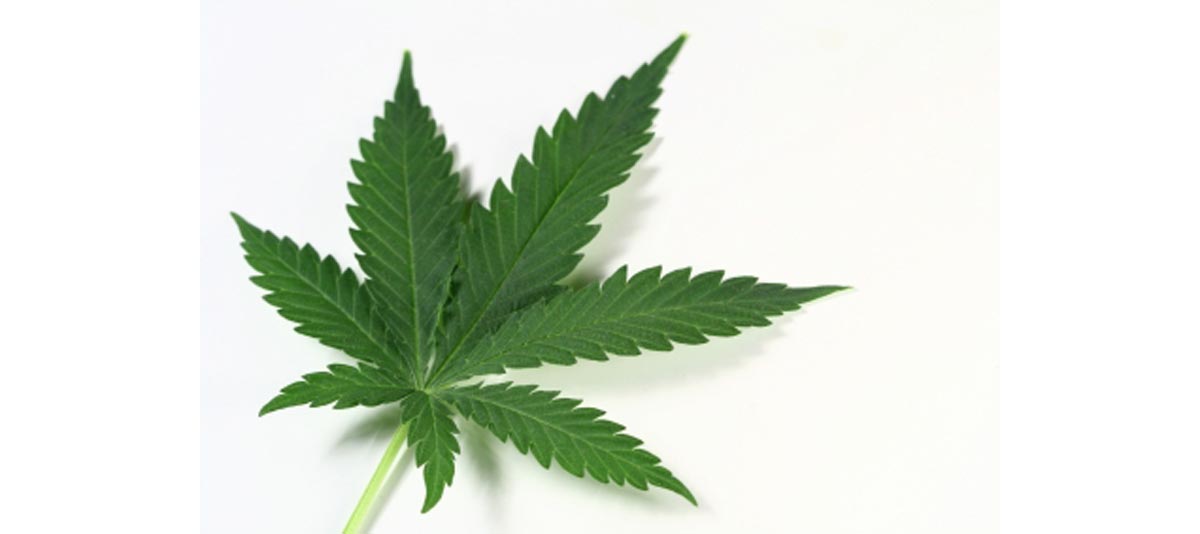
How Marijuana Affects the Brain
Of the fifty percent of twelfth graders that have used it, 22 percent of those were still active users. Because marijuana is affordable and easily accessed, it is the most popular illicit drug used in America; habitual use and addiction are widespread among this nation’s youth with little or no decline in recent years.
THC is the active ingredient in marijuana that brings about the affect of feeling high. After smoking marijuana the THC passes into the bloodstream and is then carried throughout the body into the organs, which also includes the brain.
The brain has special receptors called cannabinoids, which are found on the nerve cells. There are portions of the brain that have a great many cannabinoids whereas other parts of the brain have few or none. The areas of the brain that contain these receptors are the parts that influence memory, concentration, time perception, pleasure, thought, coordinate movement, and sensory perception.
The use of marijuana can impair an individual from having the ability to have memories or the inability to recall certain events. It also disturbs an individual’s balance and coordination and slows down reaction time. The over-use of marijuana can cause an acute loss of one’s identity or self recognition.
Addiction to Marijuana (Cannabis)
For people who have used marijuana habitually over a long period of time become compulsive about their use and it often interferes with a normal living style such as attending school, work, social events, family events, or recreational events. More than half the people entering drug rehabilitation centers stated that marijuana was their primary drug of choice and said they could not quit without intervention. The symptoms of marijuana withdrawal are said to be irritability, anxiety, and inability to sleep. It is also noted that people trying to quit long term use of marijuana show signs of aggression generally about one week after they last used it.
For many years it was thought that one could not become addicted to marijuana and is often one of the most widely used excuses of users; they will deny any real side effects of the drug and will claim they can quit at any time. However, marijuana is highly addictive and quite difficult to stop using when it has been used habitually over an extended amount of time.
Treatment For Marijuana Addiction
Treatment centers that are exclusively designed for the treatment of marijuana addiction are not very common, mainly because most addicts of marijuana are also addicted to other drugs. Marijuana tends to lead individuals into other, more harmful drugs that are far more addictive and harder to quit. However, in recent years there has been substantial research done to help individuals who wish to overcome their addiction and habitual use of marijuana.
Addiction to marijuana is not as powerful as other forms of addiction such as alcohol, cocaine, or heroine; it is more of a psychological addiction rather than a chemical addiction. That is not to say that it isn’t as real of an addiction as other drugs, especially to someone who has the addiction. It is a matter of changing the individual’s behaviors, much like when somebody quits smoking cigarettes.
The treatment that has been found most productive for marijuana addiction is said to be a cognitive-behavioral group type of treatment that is provided in approximately fourteen sessions. It is also coupled with a few individual sessions that help give the individual helpful advice about how to quit and remain abstinent from marijuana use.
When the individuals are made aware of the external triggers that seem to cause them to want to use marijuana, they can learn to reduce those triggers and thus allowing them to not have the need to use the drug. There has also been a great deal of success when these treatments are backed up with an awards system such as giving the individual tangible prizes for remaining clean and sober, such as movie tickets, job training, or sports equipment.
There are currently no types of medications that an individual can take to help them lessen the desire to use marijuana, however research into the way THC manipulates the cannabinoids receptors has caused a great deal of interest with scientists and they hope to soon have a deeper understanding of how the drug affects the brain and thus helping to develop an anti-marijuana drug to help individuals combat the addiction.
Signs of Use and Addiction of Marijuana
More than half of all students ranging from grade 8 through grade 12 have tried marijuana at least once; a large percentage of those users are said to be active users which leads to habitual and addictive use. The best defense against this is to know the signs of somebody using and to stop their use before it gets to the point of addiction. Some of the common signs to look for are:
- Excessive sleeping
- Red, bloodshot eyes
- Irrational behavior
- Paraphernalia
- Rolling papers
- Pipe
- Lighters
- Aluminum cans
Are used as a means to smoke marijuana by cutting small holes in the top of the can, placing the drug on that area, and inhaling the smoke through the lip of the can.
- Large cigars, also called “blunts”
The contents of the cigars are removed allowing the person to use the cigar paper to roll a marijuana cigarette.
- Binge eating
- Marijuana causes an increase in the appetite.
Read More: Cannabis Use Linked to Risk of Psychotic Disorders Later in Life
The use of marijuana often leads to the use of much harder and more dangerous drugs; eliminating the use of marijuana can save your child from moving on to the more damaging and life threatening drugs. Knowing what you are dealing with will help you to recognize the behavior of an individual who is using marijuana and will enable you to stop its use before it becomes a serious addictive problem.
The sad fact is most teenagers will be offered the drug during their school years and a very large percentage of those teenagers will experiment with the drug; as parents you will need to be aware of your child’s behavior in order to stop the use of marijuana before it’s too late.
- www.addictionsearch.com/treatment_articles/article/marijuana-addiction-abuse-and-treatment_25.html
- www.drug-rehab.com/marijuana-addiction.htm