

Table of Contents
There are hundreds of bursas in the human body, especially in the joints of the shoulder, hip, knee, and ankle. These small sacs of fluid cushion the places where tendons, ligaments, and muscles move over bones. When bursal sac becomes inflamed, each time the tendon has to move around the bone, it causes pain. Although trochanter bursitis usually affects middle-aged or elderly persons, it can develop in younger people too. The good thing is that most people with trochanteric bursitis respond very well to treatment.[1]
Incidence
Trochanteric bursitis is relatively common among both physically active and sedentary patients. It can also occur as a complication of arthroscopic surgery of the hip. The overall complication rate estimated is at 1.4% and is neither racial, sexual, or age related.[2]
Normal Anatomy Of The Hip Joint
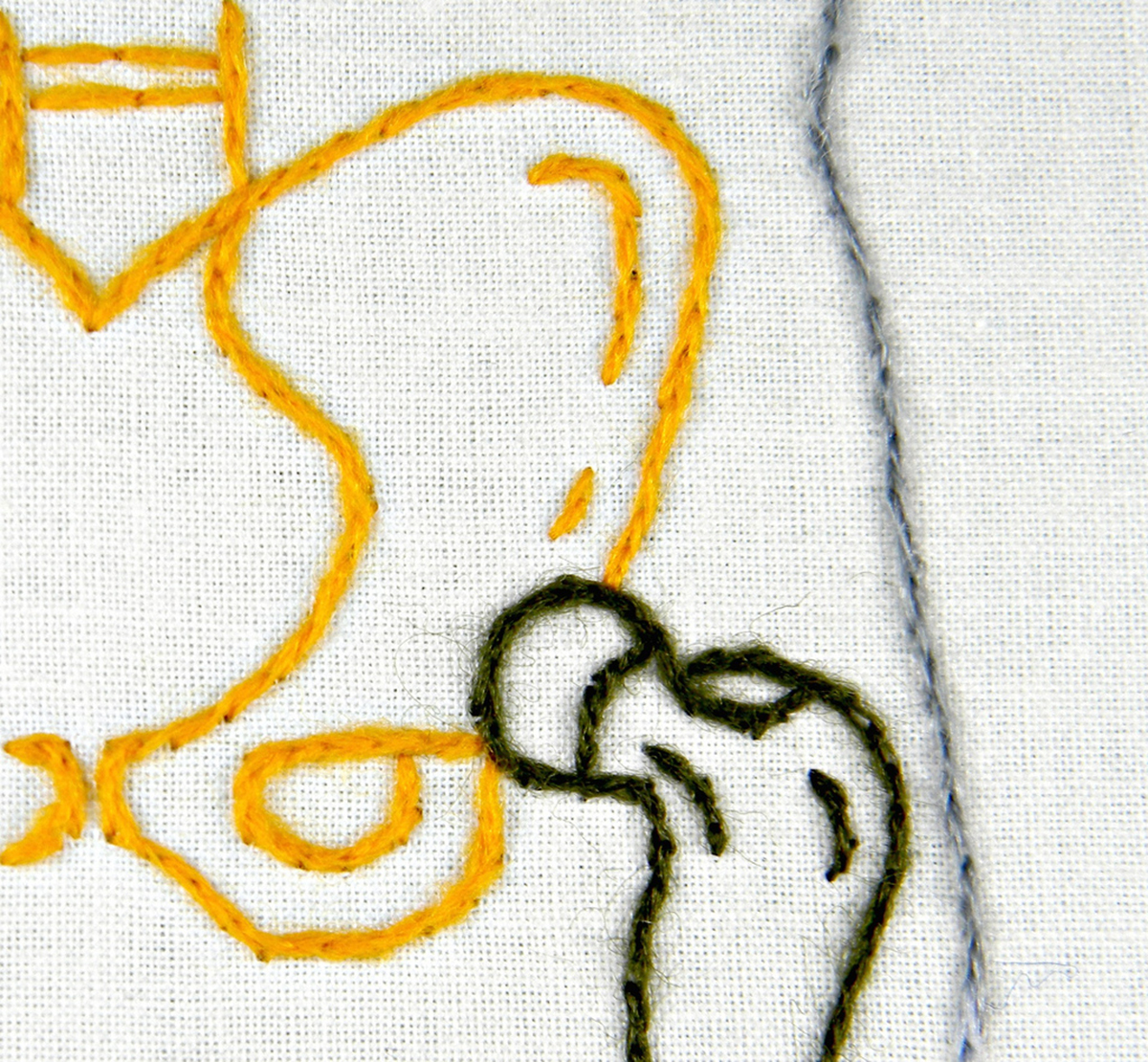
The thigh bone, the longest and strongest bone in the body, is known anatomically as the femur. There is a large protrusion at the top of this bone called the femur head. This ball-shaped section of bone forms a ball-and-socket joint. The trochanter is a palpable protrusion at the head of the femur, extending laterally in the direction of the hip. Because several muscles attach to this anatomical part, many bursas are cushioning the sensitive interfaces between them and the bone.[1]
Symptoms Of Hip Bursitis
We could associate many symptoms with this condition, and just some of those are [3]:
- The most common symptom is an intense hip pain, and sometimes buttock pain that spreads down the outside of the thigh to the knee area. Several researchers have proven that pain may be worse during activities such as walking, running, or sitting cross-legged with the leg over the opposite knee.
- Tenderness when you press on the affected area or lie on the affected side.
- Limping.
- Swelling, caused by increased fluid within the bursa.
- Redness and warmth (from inflammation or infection).
- Overlying skin changes with abrasions may occur with recent trauma.
Possible Causes Of Hip Bursitis
Hip bursitis is most often caused by a repetitive, minor impact on the area or by a sudden, more serious injury. Hip bursitis is common in women and middle-aged or older adults. Bursitis typically results from one or more of these factors [3]:
- Acute trauma, such as a fall or tackle, causing the patient to land the lateral hip region
- More commonly, repetitive trauma is involved. Such trauma is caused by the repetitive contracture of gluteus medius and/or the iliotibial band during running or walking.
- Conditions that predispose patients to this bursitis include underlying lower leg gait and back or sacroiliac disturbances.
- At times, bursitis develops spontaneously without apparent precipitating factors.
- Play or work activities that cause overuse or injury to the joint areas
- Stress on the soft tissues from an abnormal or poorly positioned joint or bone
- Previous surgery around the hip or prosthetic implants in the hip.
- Hip bone spurs or calcium deposits in the tendons which attach to the trochanter.
Pathophysiology
The inflammation of the affected bursa between the femoral trochanteric process and the gluteus medius/iliotibial tract may be due either to acute or repetitive (cumulative) trauma:
- Acute trauma includes contusions from falls, contact sports, and other sources of impact.
- Repetitive trauma includes bursal irritation due to friction by the iliotibial band, which is an extension of the tensor fascia lata muscle. Such repetitive, cumulative irritation often occurs in runners but can also be seen in less active individuals.
Other predisposing factors include leg length discrepancy, hip abductor weakness, and lateral hip surgery.[4]
Differential Diagnosis
Several other conditions could mimic the symptoms of trochanter bursitis. Some of those are:
Arthritis
Arthritis is among the most frequent causes of hip pain.[3, 4]
Tendonitis
Tendonitis can occur in any of the tendons that surround the hip joint.[5]
Osteonecrosis
Osteonecrosis is a condition that occurs when blood flow to an area of the bone is restricted. If an inadequate amount of blood flow reaches the bone, the cells will die, and the bone may collapse.[6]
Lumbar Pain - Referred Symptoms
Many back and spine problems can cause symptoms around the buttocks and hip. The most common problems that refer pain to the hip region are herniated discs and sciatica.
Snapping Hip Syndrome
Snapping hip syndrome is characterized by band snapping over the outside of the thigh, deep hip flexor snapping over the front of the hip joint and tearing of the cartilage, or labrum, around the hip socket which can cause a snapping sensation.
Muscle Strains
Strains of the muscles around the hip and pelvis can cause pain and spasm.
Hip Fracture
Hip fractures are most common in elderly patients with osteoporosis.
Diagnosis Of Trochanter Bursitis
Physical examination
Direct physical examination diagnoses disorders of the hip.
The patient is usually lying on his or her side or back, and doctor places mild pressure over the ridge of the greater trochanter. This maneuver usually elicits pain that becomes more powerful with external rotation of the hip. The doctor should also ask the patient about his medical history, especially information concerning previous surgery involving the trochanter.
X-ray
Doctors often use X-rays, and many times calcium deposits or bone spurs can be seen.
READ Hip Dysplasia - An Overview
Rheumatological evaluation
A rheumatological evaluation is also very important primary to rule out some other disorders, such as fibromyalgia. It may especially be necessary if the patient has a history of multiple tendon disorders such as shoulder bursitis or low back pain. Fibromyalgia is a common rheumatic syndrome that causes pain and weakness in the muscles.
- Photo courtesy of Hey Paul Studios via Flickr: www.flickr.com/photos/hey__paul/9267124704
- Photo courtesy of Phalinn via Flickr: www.flickr.com/photos/phalinn/4198879315