
Register For FREE
on SteadyHealth.com
News
RECENT ANNOUNCEMENTS
SteadyHealth Community Home » Articles archive » General

May 08, 2006

Postural Orthostatic Tachycardia Syndrome (POTS)

by SirGan/General

Rate this article: [ 25 voters ]


Postural orthostatic tachycardia syndrome is a complex condition caused by orthostatic intolerance, which means intolerance to change from the supine position to an upright position.
This change in position causes an abnormally high increase in heart rate, often accompanied by a sharp fall in blood pressure. The orthostatic tachycardia syndrome is a disabling state described since 1940. Patients are often unable to hold jobs or attend schools. POTS is common, affecting an undisclosed number of patients mostly in the age range of 12 to 50 years and mostly female (approximately 80%).  

Symptoms of POTS


The most common symptoms of this condition are:

    * Increased heart rate - This is definitely the main sign of POTS. The heart rate when changing from the supine to upright position can vary for more than 30 beats per minute or lead to a heart rate greater than 120 beats per minute within 10 minutes of stand-up position. POTS often generates a temporary rise in blood pressure immediately upon standing due to the rapid acceleration of the heart rate. Tachycardia is the body’s defense mechanism against the lack of sufficient venous blood returned to the heart.

    * Frequent urination - Frequent urination is a common symptom of POTS. This problem is sometimes misdiagnosed as diabetes insipidus, which is a disease caused by the reduced production of a pituitary hormone called vasopressin. 
    * Reactive hypoglycemia - Reactive hypoglycemia is a common problem for POTS patients. It is a term used for abnormal lowering of the blood sugar levels. Although the complete mechanism still isn't clear, it is believed that it happens as a result of a complex series of neural and hormonal interactions. Researchers have come to understand that this lowering of blood sugar levels is not the only cause of symptoms, because patients’ bodies are also producing excessive amounts of adrenaline and other stress hormones. 

    * fatigue,
    * nausea,
    * shortness of breath
    * dizziness,
    * blurry vision and eye pain,
    * tingling in the legs,
    * sweating,
    * numbness in palms and soles,
    * difficulties with sleeping,
    * heat and fatigue,
    * headache,
    * low grade fevers, mild chills, and general flu like symptoms,
    * syncope


Possible causes of POTS


Not many people know that, even though the upright posture is a fundamental human activity, it requires several rapid and effective circulatory and neurological compensations in order to maintain blood pressure and consciousness.
Almost immediately after assuming the upright posture, gravity causes a redistribution of about 500 ml of blood to the lower extremities. One half of this amount is redistributed within seconds after standing up and up to 25% of the total blood volume may be involved in the process. This causes a decrease in venous return to heart and stroke volume may fall by 40%. In a normal subject, orthostatic stabilization after standing up is achieved in 1 min or less.
Anyway, our understanding of the pathophysiology of this condition remains incomplete. While the etiology of POTS is still unclear, it probably represents a heterogeneous group of disorders with similar clinical characteristics.

Heart problems

It is logical to assume that, because the heart is the central blood pump, a weak or irregular heart can cause orthostatic hypotension. The conditions that can affect the heart in such manner are:

    * arrhythmia,
    * heart failure, and
    * pregnancy

These are the examples where the heart may not be up to the task of providing an adequate blood pressure. Since the heart is not pumping the blood strong enough, the pressure drops significantly.

Hypovolemia


The other possible causes not associated with the heart are anemia, dehydration or dialysis which are causing the the blood volume in the bloodstream to become insufficient. The condition is called Hypovolemia.

Blood vessels conditions


The blood vessels may also be the problem. Their role isn't just passive conduction of the blood. The blood vessels in the body also can squeeze to raise the blood pressure, and if this action is prevented for some reason, the blood pressure may fall. The most common reason behind the loss of this function of the blood vessels are different medications. Numerous medications affect blood vessels including most of the medications used for blood pressure, and many of the medications used in psychiatry and for heart pain. Heat, such as a hot shower or from a fever can also dilate blood vessels and cause orthostasis.

Nervous system problems


The nervous system normally senses and responds to regulate blood pressure. There are several neurological mechanisms of controlling blood pressure which affect heart pumping, blood vessels, kidneys etc. If something is wrong with this control system, the blood pressure may fluctuate.

Ear vestibular problems


It is proven that vestibular disorders may interact with blood pressure and heart rate control. The vestibular system is a source of information about uprightness and the whole system is localized in inner ear.  

Medications


Medication related pressure drop could be caused by high doses of blood pressure or depression medications.

Drugs that can cause or worsen orthostatic intolerance:

    * A-Receptor blockers
    * Angiotensin-converting-enzyme inhibitors
    * B-Blockers
    * Bromocriptine
    * Calcium channel blockers
    * Diuretics
    * Ethanol
    * Ganglionic blocking agents
    * Hydralazine
    * Monoamine oxidase inhibitors
    * Nitrates
    * Opiates
    * Phenothiazines
    * Sildenafil citrate (Viagra)
    * Tricyclic antidepressants

Primary adrenal insufficiency


Persons with primary adrenal insufficiency usually have symptoms of glucocorticoid deficiency and low blood pressure. Their skin may be dark, serum potassium high, and there may be associated hypothyroidism, diabetes and vitiligo.
POTS can be caused by genetically inherited neurotransmitter disorders, including disorders of catecholamine production and release, such as Norepinephrine-Transporter Deficiency.

Grades of orthostatic intolerance


Most researchers classify the syndrome as primary or secondary.
The primary form is not associated with other disease states, while the secondary form occurs in conjunction with a known disease or disorder. The most frequently encountered form of POTS is referred to as the partial dysautonomic form. These patients appear to have a mild form of peripheral autonomic neuropathy in which the peripheral vasculature cannot initiate or maintain vascular resistance in the face of gravitational stress.
Depending on the severity of symptoms, this syndrome can be divided into grades:  

Grade 0
Normal orthostatic tolerance
Grade I
Orthostatic symptoms are infrequent or occur only under conditions of increased orthostatic stress. Patient is able to stand less then 15 minutes on most occasions. Subject typically has unrestricted activities of daily living.
Grade II
Orthostatic symptoms are frequent, developing at least once a week. Orthostatic symptoms commonly develop with orthostatic stress. Subject is able to stand less than 5 minutes on most occasions.
Some limitation in activities of daily living is typical.
Grade III
Orthostatic symptoms develop on most occasions and are regularly unmasked by orthostatic stresses. Subject is able to stand less than 1 minute on most occasions. Patient is seriously incapacitated, being in bed or wheelchair. Syncope is common if patient attempts to stand. Symptoms may vary with time and state of hydration as well as other circumstances. Orthostatic stresses include prolonged standing, meals, exertion, and head stress.

Diagnosis and management


The most critical aspect of evaluation is the patient’s history. The patient needs to elicit the information about the onset of symptoms: were they sudden or gradual and what makes the symptoms worse or better should be the most important questions.  A careful physical exam is also crucial.
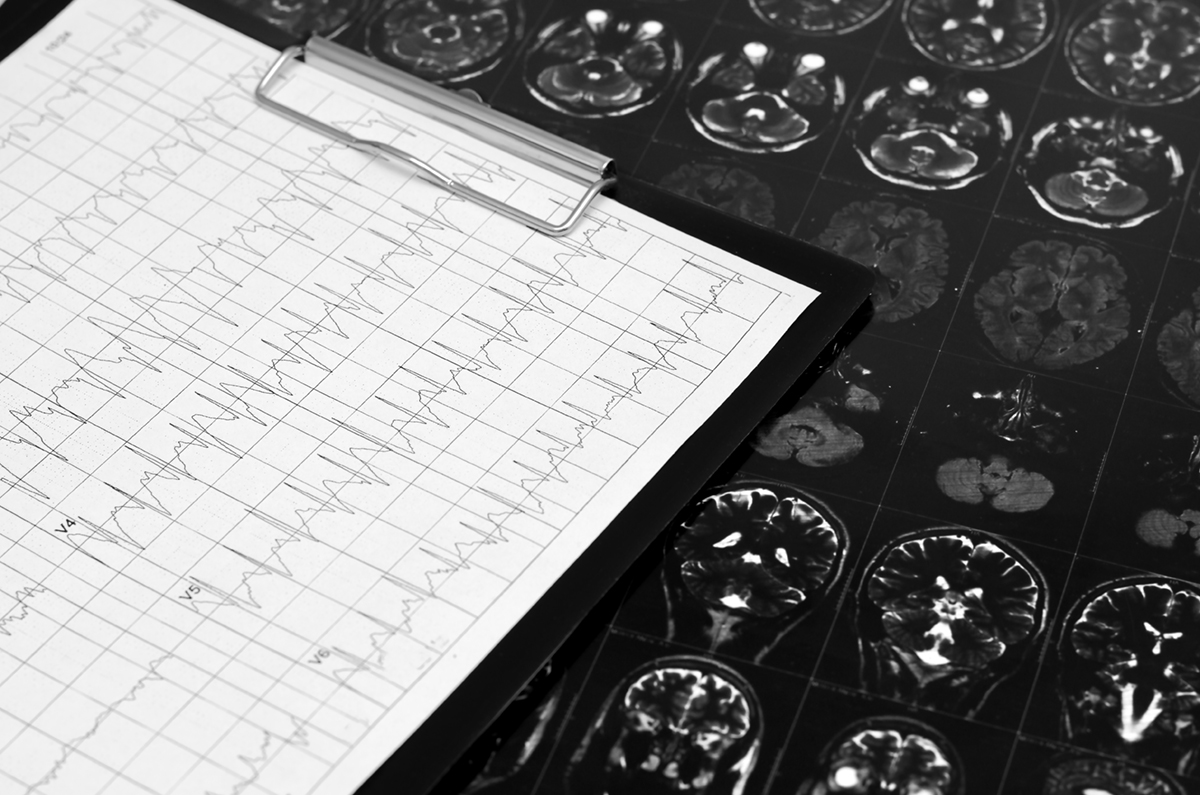
POTS is correctly diagnosed on the basis of the heart rate increase and heart waveform signature revealed by electrocardiogram, not on the basis of a drop in blood pressure, as is the case with orthostatic hypotension and neuro-mediated hypotension.

Treatment of POTS


Treating patients with Postural Orthostatic Tachycardia Syndrome is often very difficult.

Non-drug treatment


This treatment proved to be very effective and carries a low-risk from complications. Adding lots of extra salt to the diet can increase both blood volume and blood pressure by increasing the fluid retention. Expanding blood volume is a precise mechanism. A high salt diet should only be tried under the recommendation and supervision of a doctor. There are some special salt tablets on the market but pouring lots of ordinary table salt in the food works better for most people.
Patients with POTS should definitely avoid garlic and nitrates in food since they lower the blood pressure. Regular exercise on a daily basis is the most important aspect of any good treatment. Most people don’t know this but during the exercises, muscles produce a natural vasoconstriction hormone norepinephrine. A good muscle tone, especially in the legs, helps limit abnormal blood vessel dilation and blood pooling.
Meditation may help some patients reduce stress, feel more rested and alert, and often has a mild analgesic effect, reducing the perception of bodily aches and pains. It works as a natural pain reliever.
Having two strong cups of coffee in the morning have also shown to be very beneficial.

Medications


Medical treatments for POTS do exist but they are rarely curative and are often incompletely palliative. The most commonly used medications are:

    * Beta blockers
    * Florinef
    * Midodrine

Important notification about information and brand names used in this article!

Author's biography

SirGan is doing his specialization in neurosurgery at Portugal. He is interested in expertise for radiosurgery, as well as treatment of brain tumors, and currently he is studying interventional radiology. He gained significant operative experience that is done under the supervision and guidance of senior residents.

Article sources
  • www.dizziness-and-balance.com
  • www.emedicine.com
  • www.dynakids.org
  • http://en.wikipedia.org/wiki/Postural_orthostatic_tachycardia_syndrome


Comments
The following content represents the opinions of SteadyHealth.com users. It is not editorially reviewed for medical or factual accuracy. It does not constitute medical advice. See your doctor for medical advice.

Posted 6/03/10 - 21:24 by ColtonsMommy
Hi Everyone! I am 24 and I was diagnosed with POTS in January after 2 years of being treated for Mitral Valve Prolapse. I have an 8 month old baby boy, and oddly enough i had very few symptoms while i was pregnant. I actually felt better pregnant that i had in a very long time. I dont really fit into any of the "Grades" of the condition. I have symptoms pretty much all of the time, but i am able to make myself stand. My husband does not understand and i dont think he ever will. My cardiologist calls POTS an annoying pain in the neck. He doesnt have the condition and everytime he says that i want to slap him. The Dr. just put me on Bisoprolol and it has given me more good days, but it has also made my bad days all but completely debilitating. Has this happened to anyone else? I am trying to stay positive because i know my condition is a lot less severe than it could be, but it is really hard when no one else gets it. Any advice and how to help people understand would be greatly appreciated!

Thanks guys!
Posted 4/03/10 - 11:00 by Guest
Hi there. I was diagnosed with postural orthostatic tachycardia syndrome (POTS) at the near-completion of graduate school (I only had a few weeks to go), at a physician assistant program in Fort Myers, Florida, when I was dismissed from the program based on what I now know to have been symptoms of POTS. Unfortunately I had not been well-schooled on the full and at times completely debilitating symptoms experienced with POTS, and therefore thought what I was experiencing was something I could "fix" or "un-due." After many sleepless nights, and even more days spent tirelessly searching for answers following my dismissal from the program, I have begun to gain some insight into this condition, but am left wondering where else I should be looking for current and up-to-date information on dysautonomia and POTS. If anyone has any suggestions for good resources as I continue on my quest to learn more about this condition which has wreaked so much havoc on my life I sure would appreciate hearing from you! Thanks so much!
... see all comments ...

Posted 31/07/09 - 16:48 by Guest
Bluedog I have pots syndrome have just recently been diagnosed after the birth of my first child. Been finding it very difficult to cope with every day life especially dealing with a baby.
Posted 3/07/09 - 18:34 by bluedog
I hadn't heard anything about POTS but it sounds like a miserable disease to have unfortunately because it looks like a lot of things exacerbate it and not many people can do something to fix it. I hope that if anyone out there has it that they can enlighten me a bit on the syndrome? I hope that it's something you're able to cope with because it does sound like it would be difficult at times. Please let me know if anyone does!
COMMENTS
Readers posted 19 comments for this article

Username:

Comment text

Visual confirmation

How many RED HEARTS are shown on the image below? [numeric answer only]


Answer: *

Image verification code explanation
Confirmation is necessary to make sure that you are a human being, rather than a program. Please read the question above carefully, then with same care take a look at the picture and answer the question. Please note that answer you enter is a case sensitive. On all general questions (e.g. background color) answer in lower case. In most cases, important notes regarding the answer will be written in question itself (e.g. numeric characters only) so read it carefully.


RELATED ARTICLES
 
 
FROM THIS AUTHOR
 
 
ARTICLE CATEGORIES
 
 
TOP RATED ARTICLES
 
 
POPULAR ARTICLES
 
 
POPULAR TAGS
 
 
AUTHOR'S PROFILES