

Table of Contents
Teeth Crooked After Orthodontic Treatment?
Since tooth movement occurs so slowly and gradually, it can be difficult to immediately notice the changes in position that are taking place. In some cases, the patient did notice but did not do anything about it and hoped that it would stop on its own.
Whatever the reason may be, treatment options to bring the teeth back into position start to become narrower as time progresses.
The biggest potential for movement occurs within the first one year of completion of orthodontic treatment, thus patients should be vigilant for any signs of relapse. Detected at an early stage, the slight amount of movement can be corrected through the use of Removable retainers alone and ensuring that a longer period of stabilization is allowed for.
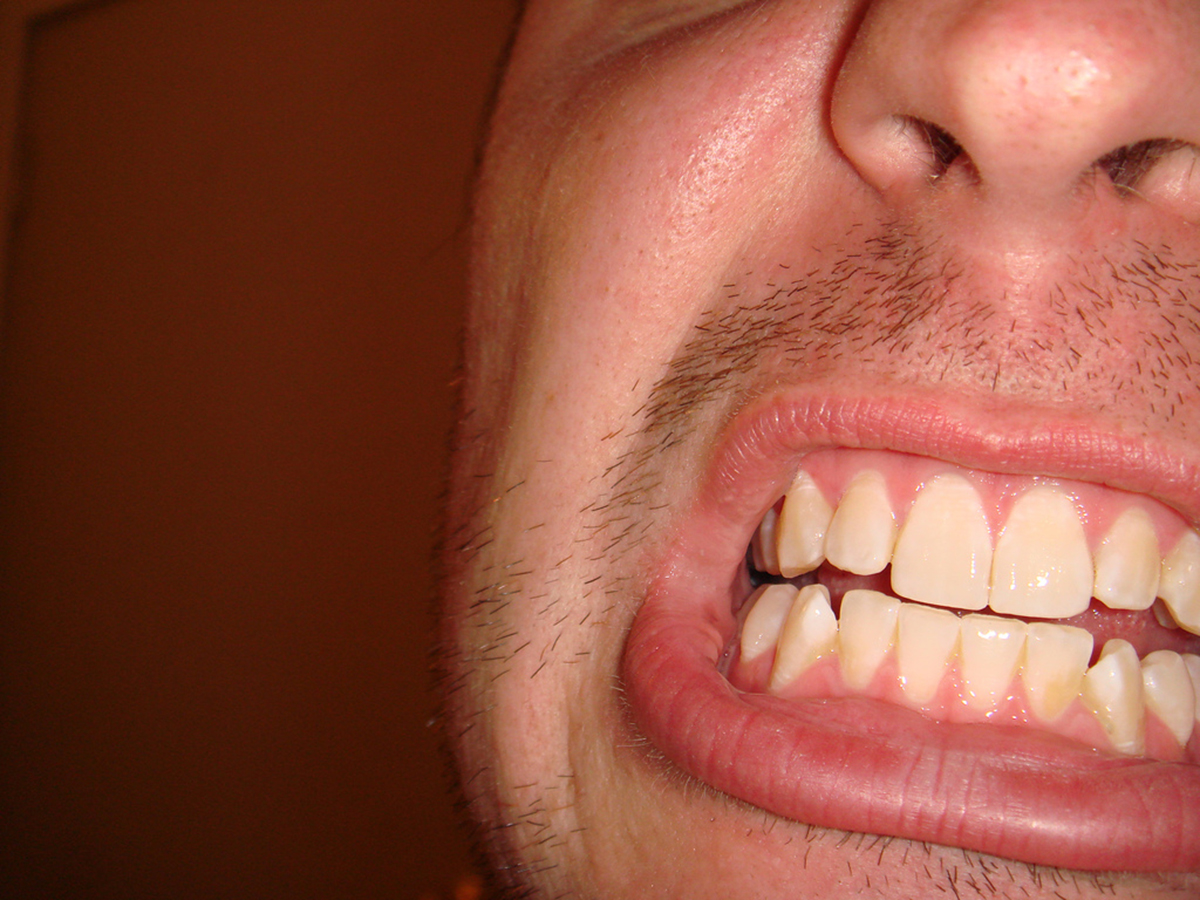
In the later stages, though, it will require fixed orthodontic treatment to once again get the teeth back to their original position. The good thing about this treatment option though is that it rarely takes as long as the initial treatment time for the teeth to return back to their original position.
Patients can expect to wear the braces for close to two or three months to bring about a moderate amount of change in the position of their teeth.
If patients do not want to wear braces again then other options like invisible retainers are also available. These are quite expensive, and in fact, may cost more than the initial treatment did but are quite effective and an unobtrusive way to get the teeth back into their desired position.
A functional assessment of the occlusion can also be done to see if there are any forces that need to be corrected. This is an often overlooked part of the treatment which can have some serious repercussions later on once the braces have come off.
The last resort can be to use minimally invasive techniques like veneers and laminates to bring about some cosmetic changes in the smile. These techniques can however only be used in the region of the front teeth.
READ When Orthodontic Is Treatment More Than Just Cosmetic: Braces For Medical Reasons
Conclusion
Teeth that have been subjected to orthodontic movement need adequate time to get stabilized in the new position or the possibility of a relapse happening is quite high. The problem that has been noted is that by the time the long orthodontic treatment is over, patients are often not bothered by the need to wear retainers.
The teeth most commonly affected are the lower front teeth which start to become crowded after a period of a few years. Problems from the relapse of orthodontic treatment extend beyond just the cosmetic ones and can lead to functional difficulties, make oral hygiene maintenance difficult and predispose the patients for the development of future chronic gum problems.
The simplest and most effective way to avoid all of this is to just listen to the post-procedural instructions your dentist gives you and to follow up regularly for a checkup.
- www.ncbi.nlm.nih.gov/pubmedhealth/PMH0058565/
- www.smilecolumbia.com/can-teeth-fixed-relapse-braces/
- www.ndcs.com.sg/ForPatientsAndVisitors/ConditionsAndTreatments/Glossary/Pages/Orthodontics-AfterBracesAlwaysRetainers.aspx
- Photo courtesy of zivkovic: www.flickr.com/photos/zivkovic/6837584807/
- Photo courtesy of greggoconnell: www.flickr.com/photos/greggoconnell/309968625/
- Photo courtesy of zivkovic: www.flickr.com/photos/zivkovic/6837584807/
Your thoughts on this