SteadyHealth.com - Health Topics Forum Index
  Find a Doctor   Ask Experts      Articles      Encyclopedia   Blogs   Tickers    Search  Register    FAQ    Log in 

Jun 05, 2006

Osteomyelitis: Bone infection

by MariAnne

SteadyHealth.com - Health Topics Forum Index -> Articles archive

Osteomyelitis is serious problem and the best thing you could do is to avoid it. The easiest way to prevent you from getting osteomyelitis is to practice good hygiene. If you get a cut or a wound, especially a deep wound, make sure you clean it thoroughly. Wash it with soap and water, holding it under running water for at least 5 minutes to flush it out and to keep the wound clean afterward, you should cover it with sterile gauze or a clean cloth. You can apply an over-the-counter antibiotic cream, but the most important thing is to keep the injury clean. Be sure to see your doctor, especially if you have a wound that is not healing or if you are continuing to have pain.

What is osteomyelitis or bone infection?

Osteomyelitis is a condition of bacterial bone infection. It is more common in children, where it may appear to occur for no apparent reason. It could also appear following an infection, which has spread from elsewhere in the body. In adults, it usually occurs following a fracture, where the skin also damage. If this happens, it is not so hard for bacteria to invade bones. In children, the first symptom is usually pain and only sometimes, a lump is present. This is most commonly problem if one of the leg bones is affected. The child may become generally well, with a temperature but later there may be redness or swelling over the bone. If untreated, an abscess of bone infection may form, which eventually bursts, discharging pus. Following a fracture, the area around the affected bone may become painful, red and swollen, which is the most common symptom for osteomyelitis. There may be a discharge of pus from the wound connected with the fracture as well. If the doctor inadequately controls infection in the early stages, it may result in chronic osteomyelitis.

How does bone infection or osteomyelitis occur?

In children, it is common problem that bacteria enter the bloodstream through the nose or bowel, and settle in areas of the bone. It happens especially in the bones previously damaged by a small knock, or in parts of the bone with a good blood supply.
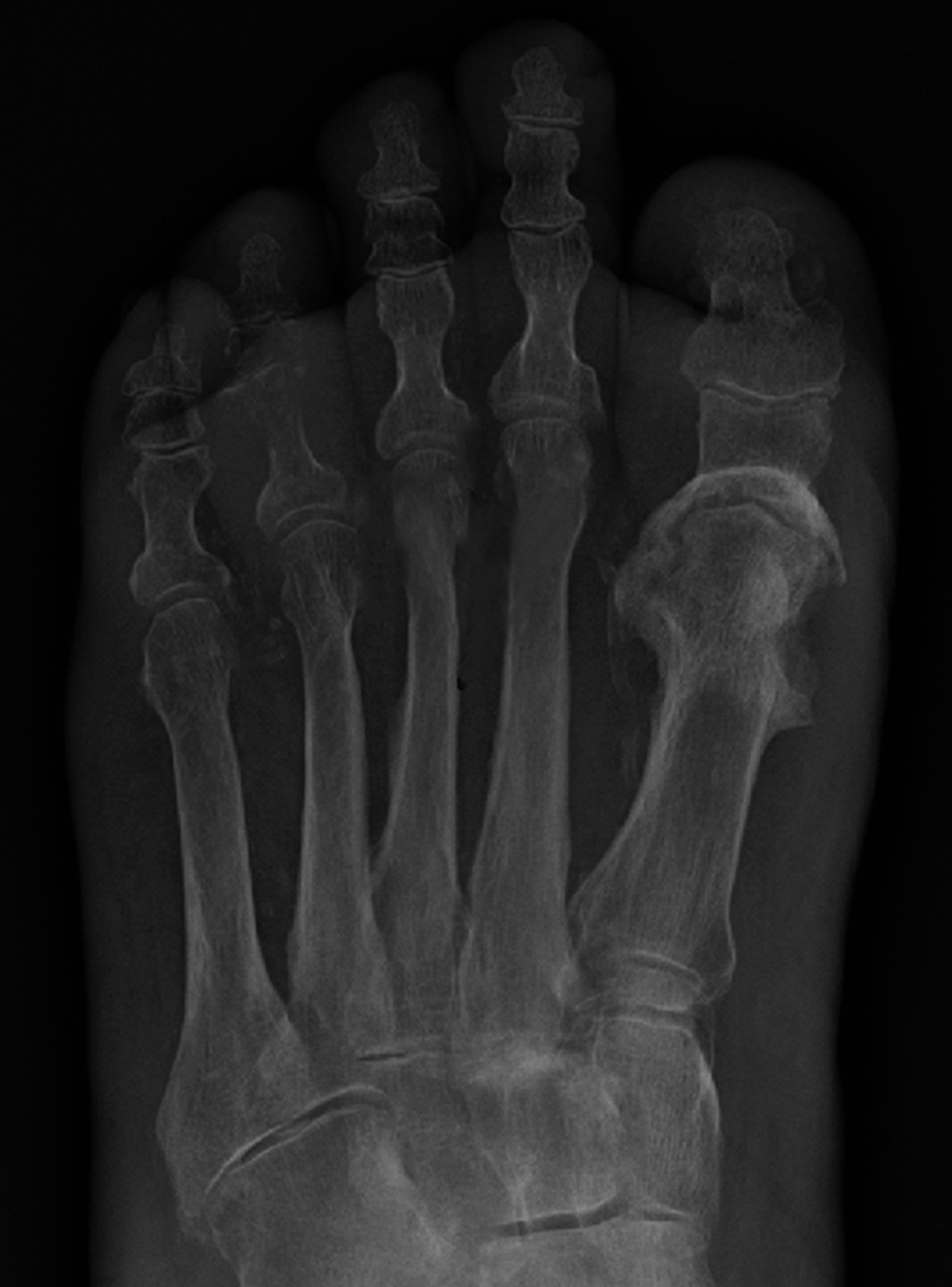
The bacteria multiply and the body’s defenses cause pus to form. This eats away the bone and an abscess forms that spreads through the bone and eventually comes to the surface. After a fracture, the bacteria enter the wound directly and settle on the bare ends and then multiply and cause pus to form. This eventually discharges back through the wound. In some people, the infection may start in another organ, such as the lung so from here, the germs can spread through the bloodstream into bone. People with diabetes are particularly prone to bone infection. If an ulcer develops on the toe or foot, it is common for the responsible germs to penetrate eventually through to the underlying bone. The symptoms in this case may be quite silent; there could be only some swelling.

Why does osteomyelitis occur?

In some children, especially the newborn, the bacteria may enter the bloodstream after blood tests. It could also happen after an intravenous drip feed. In other children, damage to the bone because of the disease makes it more liable to become infected. In adults with diabetes, the reduced resistance to infection, poor blood circulation and a frequent loss of pain sensation all lead to a particularly insidious and often problem with chronic osteomyelitis.

Treatment for bone infection

Blood tests could help to look for signs of infection and to identify the germ. The x-rays of the affected limb may be helpful if there is bone damage. However, in the very early stages there may be no abnormalities on x-rays as diagnostic method for osteomyelitis. In early osteomyelitis, treatment with antibiotics into a vein may alone be enough effective. Even when the temperature and pain has settled, therapy should go on for 3 to 6 weeks by mouth. Once the infection is established, any pus in the bone may need drainage. This requires an operation under general anesthesia. After this, antibiotics will drip by infusion into a vein. In more severe or chronic cases, an operation may be necessary to remove dead bone. This dead bone will commonly occur as a result either of the fracture or of the infection. The operation may require a bone graft from the hip to fill the cavity that is left, and the limb may have to rest in plaster. In the early stages of osteomyelitis in children, the child will be in hospital. Doctor should observed child to ensure that the antibiotic treatment is effective and that the infection is adequately controlled. After discharge from hospital, recurrence of pain and any signs of swelling or redness in the limb you should tell to the doctor. You must take the full course of antibiotics as prescribed, to prevent the infection returning. After surgical drainage of bone infection in either children or adults, you should watch the area of drainage for any change in the discharge from the wound or from holes close to the wound. Should this happen, contact your doctor immediately. After treatment of bone infection of osteomyelitis, in the majority of children, after adequate treatment with antibiotics or surgery, the infection settles completely and does not recur. However, it is important to watch for any change in the affected limb or other limbs and your doctor contacted immediately if anything is noted. In chronic osteomyelitis, especially in adults after fractures, there may be recurring discharge from the region of damaged bone. Intervals of several years may separate each event indeed. Redness and swelling near the old fracture will often settle quite quickly with antibiotic treatment if is recognized and treated early. However, you may need operation if left too long.

Causes of osteomyelitis

Bones, which usually have well protection from infection, can catch infection through three routes. First, through the bloodstream, this may carry an infection from another part of the body to the bones. Next way is direct invasion of infection, and third is infections in adjacent bone or soft tissues. Osteomyelitis usually occurs in the ends of leg and arm bones in children and in the spine in adults. It happens particularly in older people. Infections of the leg and arm bones and those of the vertebrae usually acquire through the bloodstream. Infections of the vertebrae refer to as vertebral osteomyelitis. People who undergo kidney dialysis and those who inject illegal drugs are particularly susceptible to vertebral osteomyelitis diagnosis. Bacteria or fungal spores may infect the bone directly through open fractures, during bone surgery, or from contaminated objects that pierce bone. Staphylococcus aureus is the bacteria most commonly responsible for osteomyelitis diagnosis. Mycobacterium tuberculosis is one of the bacteria that cause tuberculosis that can infect the vertebrae to cause osteomyelitis. Moreover, bacteria or fungal spores may also infect the space around an artificial joint. The organisms will transmit into the area of bone surrounding the artificial joint during the operation, or the infection may occur later. Any artificial device in the body may serve as a focus for bone infection. Osteomyelitis may also result from an infection in an adjacent soft tissue and the infection spreads to the bone after several days or weeks. This type of spread is particularly likely to occur in older people and such an infection may start in an area damaged by an injury, radiation therapy, or cancer, or in a skin ulcer. It could happen anywhere the skin has poor circulation or diabetes. A sinus, gum, or tooth infection may spread to the skull and other bone infection as well.

Diagnosis, prevention and prognosis of bone infection

Symptoms and findings during a physical examination may suggest osteomyelitis, where doctors may suspect osteomyelitis in a person who has persistent bone pain with or without a fever and feels tired much of the time. As with any chronic infection, blood tests usually indicate elevated levels of white blood cells, an elevated erythrocyte sedimentation rate and an elevated level of C-reactive protein.
That protein circulates in the blood and dramatically increases in level when there is inflammation. An x-ray may show changes suspicious of osteomyelitis, where the infected area always appears abnormal on bone scans. However, these tests cannot always distinguish infections from some other bone disorders. To diagnose a bone infection and identify the organisms causing it, doctors may take samples of blood, pus, joint fluid, or the bone itself to test the patient. People who have artificial joints or metal components attached to a bone should take preventive antibiotics before surgery. This is including dental surgery as well, because these people have an increased risk of infection from bacteria normally found in the mouth and other parts of the body. The prognosis for people with osteomyelitis is usually good with early and proper treatment but sometimes, chronic osteomyelitis develops, so bone abscess may recur weeks to months or even years later. Usually neurologic signs are not present until late in the disease course when there can be destruction and collapse of the vertebral body during bone infection. Other symptoms variably present include chills, weight loss, dysuria, photophobia, and drainage from a wound or incision if there has been prior surgery that should definitely prevent. The causative agent is usually Staphylococcus aureus, where long-term antibiotic therapy is required. It lasts up to six weeks of intravenous antibiotics sometimes followed by oral antibiotics for another six-week period. With common problem called vertebral osteomyelitis, surgery may be indicated. That is particularly when ongoing vertebral destruction is identified. Although rare, the doctor should also consider typical diseases such as tuberculosis of the spine, when faced with spinal infections.
COMMENTS
Readers posted 0 comments for this article


ARTICLE RATING


[ 7 voters ]

Rate this article:

bad
average
good
very good
excellent

RELATED ARTICLES
SYNDICATE FEED