

Is It Good To Use Tampons?
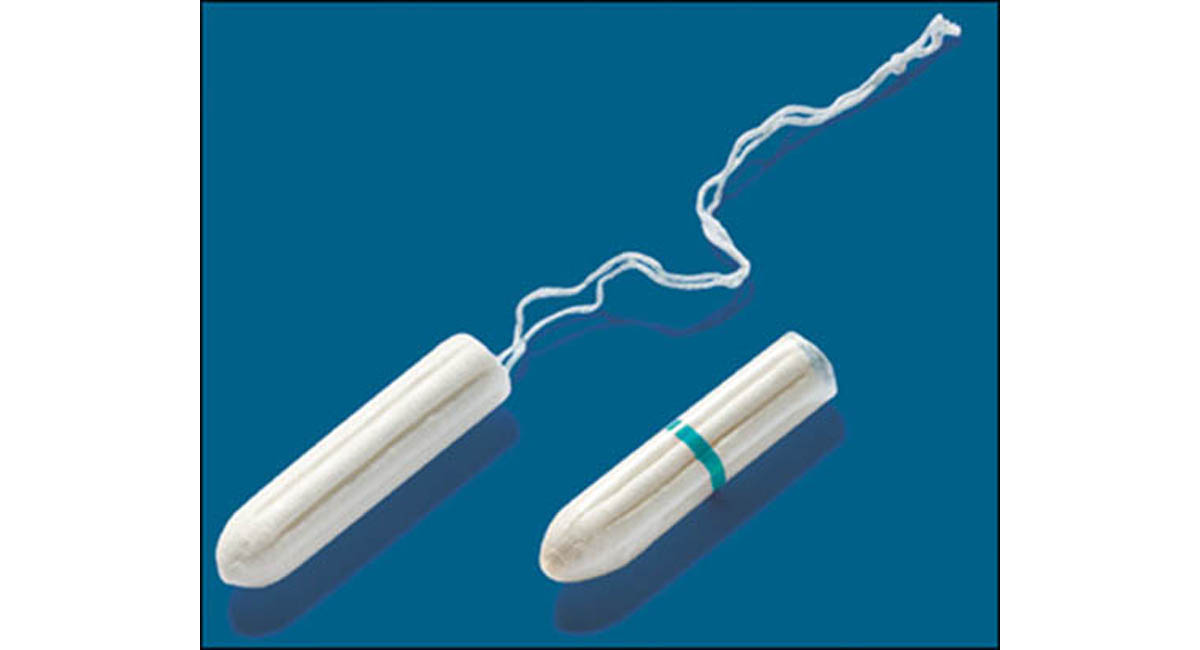
Tampons are made of a soft absorbent material and are inserted into the vaginal opening as if adding a battery into a flashlight. Then the tampon is left resting inside the vaginal canal to absorb menstrual fluid. Tampons, too come in various sizes and absorbencies, with or without deodorant, and with or without applicators.
Tampon brands also differ in size, effectiveness, and comfort, so meet the needs of every woman, regardless of and heaviness of menstrual flow.
Tampons may also be used with pads as a backup in case they leak.
Tampons need to be frequently changed to prevent toxic shock syndrome, or TSS, which can be a severe problem.
Women can use tampons even if they have not ever had sexual intercourse, and using tampons does not usually cause the hymen to rupture (thereby arguably causing a woman to "lose her virginity), contrary to popular belief.[1]
How To Use Tampons Correctly
A woman may need some guidelines for inserting applicator-type tampons before her first tampon usage.
- Unwrap the tampon, and try to be careful not to move the applicator plunger. Tampons with applicators usually have two parts. One of the pieces surrounds the tampon. This is what you should insert into the vagina. A thinner tube acts as a plunger to push the tampon out of the plastic or cardboard, into the vaginal cavity.
- It will be much easier to insert a tampon if you are relaxed. Get yourself in a comfortable position, whatever that may be for you. Some women find it best to stand with one foot on the toilet, sit or lie down with their knees apart, or squat on the floor.
- You have to be sure the string is hanging out of the bottom of the applicator. Try to hold the tampon at the point where the two tubes meet with your thumb and third finger.
- Insert the tampon gently into your vagina until your fingers touch the outer vaginal lips. You may want to hold your lips apart with your other hand while you insert the tampon, which might make it easier. It may also help to jiggle the tampon slightly. You are not in danger of putting the tampon up too far or having it go lost in your vagina.
- While still holding the tampon in this position, use the pointer finger of your other hand to gently and slowly push the plunger. Then, pull out the applicator and dispose of it in the trash, and not in the toilet.
- Once you have a tampon inside of your vagina, you should not feel the tampon at all. If you feel uncomfortable or something is painful, you should try pushing it up further. Try to adjust it with your finger, or take it out and try again with another tampon.
Each woman should be informed about the health hazards of using tampons.
There is no real reason to use deodorant containing tampons or scented tampons. In fact, they can be irritating to many women, and for this reason, it is best to avoid them. [2]
If a tampon is hard to pull out or shreds when you remove it, the tampon you are using is too absorbent, and you need to switch to tampons with a lower absorbency rating.
A potentially huge problem might be toxic shock syndrome or TSS. Toxic shock syndrome is a rare but life-threatening bacterial infection that affects between one and seventeen menstruating women per 100,000 women who use tampons. [3] Studies have shown that using super plus tampons and leaving them in the vagina for extended amounts of time increase the risk of TSS.
Symptoms of toxic shock syndrome are [4]:
- A sudden high fever
- Vomiting
- Diarrhea
- Fainting
- Dizziness
- A sunburn-like rash
To minimize the risk of TSS [5]:
- Wash your hands before inserting a tampon
- Change your tampon at least every four to six hours, particularly on heavy-flow days
- Use the lowest absorbency tampon reasonable given the amount of your menstrual flow
Myths About Tampons
A story claiming that scientists found that tampons contained dangerous levels of asbestos and dioxin while researching them is a pure myth. While there are risks with using tampons, those risks are not associated with any possible asbestos or dioxin. The FDA examined tampons and says that available scientific evidence does not support this myth. However, you should still check the labels of the sanitary pads or tampons that you buy the next time.
Some people say that tampon makers include asbestos, which makes you bleed more, and if you bleed more, you are going to need to use more tampons. This is a myth and a rumor and the FDA points out that this has never been confirmed.
The truth is that tampons are made of cotton, which is treated heavily with pesticides, and this is a potential health hazard. An excellent alternative to commercially produced tampons, pesticide-wise, would be to use tampons made of organic cotton or to use reusable menstrual cups.
Tampons also do contain two things that are potentially harmful: rayon, used for absorbency, and dioxin, which is used in bleaching.
The tampon industry is convinced that women need bleached white products to view the product as pure and clean. The problem is that the dioxin produced in the bleaching process can lead to very harmful situations. Dioxin is potentially carcinogenic, and it is also toxic to the immune and reproductive systems. Dioxin has also been linked to endometriosis and lower sperm counts for men. Luckily, we can remove dioxin off the list of potential health hazards associated with tampons: up until the late 1990’s, bleaching the wood pulp resulted in traces of dioxin in tampons, but that method has been replaced with a chlorine-free bleaching process.[6]
Rayon is connected to better absorbency. Although the exact connection remains unclear, use of high-absorbency tampons produced with rayon and leaving tampons in for an extended period seem to increase the risk of toxic shock syndrome. [7]
What Are The Alternatives To Tampons?
We suggest using feminine hygiene products that are not bleached and that are made of organic cotton. Another green and a financially friendly alternative is to use reusable menstrual cups.
So what is the alternative for women who cannot stop using tampons? It is always better to use tampons that are made from 100% organic cotton and that are unbleached. Unfortunately, there are very few companies that make these safe tampons, and they are on the expensive side.
What About Removing Tampons?
While taking the pill which often causes a lighter period, hormone fluctuations can result in a slightly dryer than a normal vagina and could make it hard to remove a tampon. Therefore, do not change your tampon too early.
You could use tampons that contain a silky cover, which makes for a significantly smoother removal compared to regular tampons. This will make it easier to insert and remove the tampon, and also it has tiny pores that direct the fluid inside the tampon, locking it away for your complete protection.
How Do I Know If My Menstrual Flow Is Heavy Or Light?
The amount of bleeding varies a lot from woman to woman, and from month to month, especially during the first few years after a woman gets her first period. Even though it may seem that you’re bleeding very heavily, the total amount of blood each month is usually only about a quarter of a cup.
Remember you should always use the lowest absorbency needed for your flow.
That might mean trying different absorbencies on different days. However, if a super absorbency pad or tampon is not enough, your period lasts more than a week, or if it is always heavy with large clots, see your doctor. Also, don’t forget that flushing tampons down the toilet could flood your bathroom. Not only that, tampons are not readily degradable, and they belong in the waste bin.
When To Change A Tampon?
Whether your flow is heavy or light, you should never leave a tampon in your vagina for more than 8 hours. In fact, on a heavy day you will probably need to change it every 2-3 hours. On lighter days you will need to change your tampon about every 3-6 hours.
Just think of all the bacteria you get on your hands and all the dirty things you touch over the course of the day. This is why it is extremely important to always wash your hands before and after using a tampon.
READ Using tampons: Teenage girls
Swimming And Going To The Bathroom With A Tampon In?
Unlike pads, tampons in no way restrict what you can do when you have your period. However, due to aesthetic reasons, you should make sure that the string is firmly tucked into your bikini bottoms when you are on the beach. Otherwise, you are setting yourself up for a potentially embarrassing situation.
There is no need to remove a tampon prior to urinating or having a bowel movement. Every female has three separate openings; the urinary, the vaginal and the anal opening. Therefore, a tampon which is placed inside the vagina will not affect your bowel movements or urination. However, it would be good to hold the tampon’s cord to one side while urinating, so it doesn't get wet.
Besides this, your period does not stop while you take a bath or shower. The use of tampons or reusable menstrual cups is the only effective form of menstrual protection while bathing or showering. However, since you are only in the shower for a short period of time, it is not necessary to wear a tampon or menstrual cup during this time. Use of tampons or reusable menstrual cups has also made it possible to swim during menstruation since the flow is absorbed internally. Do not wear a pad when you are swimming, since it will become wet and it will not absorb your menstrual flow as a tampon would.