

Two decades later reflexology was further developed by Eunice D. Ingham, a nurse and physiotherapist. She found that the feet and hands were especially sensitive, so she mapped the entire body into "reflexes" on the feet. It was at this time that "zone therapy" was renamed reflexology.
What is Reflexology?
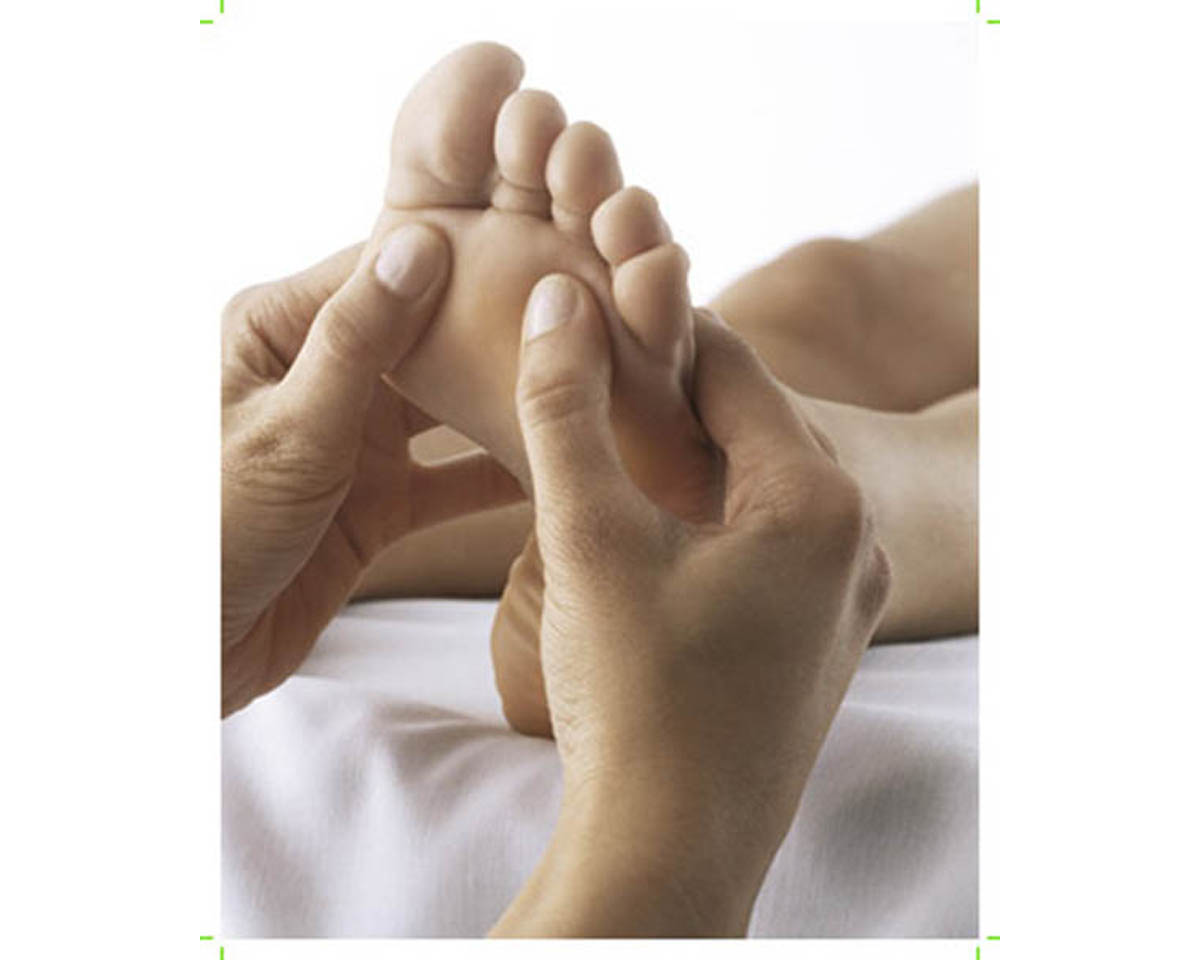
Reflexology is the application of pressure to the stimulating points on the feet, hands and ears to encourage a beneficial effect of the corresponding parts of the body.
However, most often on feet and hands stimulating points are located. There is also a school of thought that also applies it to the ear, but the techniques, however, are modified from acupuncture technique and auricular therapy. Reflexologists view the feet, hands (and ears) as a mirror image of the body, so they influence certain body parts through specific points on feet and hands/ toes and fingers.
Reflexology is often used in conjunction with other treatments and therapies. While not meant to diagnose or treat specific medical conditions, many people use reflexology as a supplement to traditional treatments, especially for conditions like pain management, anxiety, and fatigue.
Theories about reflexology
There are many theories about how reflexology works; one of them seeks explanation at the nervous system: when pressure is applied to the feet, a signal is generated though the peripheral nervous system, from where it enters the central nervous system and is then processed in brain, where is sent to the internal organs to allocate the necessary adjustments in fuel and oxygen, and finally into the motor system.
According to another theory, a reflexologist can break up patterns of stress in other parts of the body through the 7200 nerves in the feet by applying pressure on points. Another theory claims that the body contains an invisible life force, or energy field, and then when this “life force” is blocked or imbalanced, illness may result. This theory claims stimulation of the foot can unblock and increase the flow of vital energy to various unhealthy parts of the body and promote healing.
Practitioners believe that the body has specific energy pathways or zones running vertically from the head to the feet. Blockages or imbalances in this energy flow are thought to lead to ailments or imbalances in corresponding body parts. By applying pressure to specific points on the feet, hands, and ears (reflex points), reflexologists aim to stimulate and clear these pathways, restoring the natural flow of energy. This process is believed to promote healing, balance, and overall well-being. While rooted in ancient traditions, the efficacy of reflexology in modern medicine remains a topic of study and discussion.
Reflexology Benefits
Reflexology activates the healing powers of the body and this causes relaxation in corresponding parts of the body which is the first step to normalization. The body returns to a state of equilibrium called homeostasis where easy circulation of blood takes place supplying nutrients and oxygen to the cells. In general terms the benefits of reflexology have to do with the reduction of stress.
Reactions of patients are demonstrated by case studies and not with statistical conclusions, but most commonly patients report that during treatments they experience feelings of relaxation, comfort, or wellbeing, some report tingling sensations, others report tiredness and even fall asleep. According to some reflexology theories tingling and tiredness are due to release of built-up toxins and clearing of energy blockages in the body. Most of patients have slightly reduced body temperature as a result of relaxation.
After the treatments patients reported feelings of deep relaxation, reduced stress and revitalized personal energy. There are also reports of improved circulation and induced homeostasis.
The negative side effect of reflexology treatment could be "healing crisis", which may include headaches, nausea and sinus congestion. Practitioners believe this a result of the body clearing its toxins, and this experience is a positive cleansing process.
On long-term the immune system benefits from reflexology due to reduced stress. We all know that stress can cause tension in neck or headache, thus regular relaxation can help prevent stress and improve the overall functioning of the immune system.
Whether reflexology can benefit certain conditions and diseases in still under investigation. Nevertheless it should not be performed if patient suffers from unhealed wounds, recent or healing fractures and active gout. Besides that, patients should seek medical advice before a treatment in the case of active infections, cancer, diabetes, gallstones, heart disease, kidney stones, mental illness, osteoarthritis affecting the ankle or foot, pregnancy, presence of a pacemaker, severe circulation problems in the legs or feet, syncope, unstable blood pressure.
Organs and reflexology
According to reflexology in left zone thumbs and big toes are connected to pituitary, pineal, brain, hypothalamus, thyroid, sinuses, larynx, nose, trachea, tongue, esophagus, thymus, heart, spine, intestine, large intestine, pancreas, breast, small intestine, large intestine, prostate. Index finger and second toe to brain, eye, adenoids, lungs, heart, stomach, spleen, pancreas, breast, small intestine and large intestine. Middle finger and third toe to the brain, eye, lung, breast, stomach, spleen, pancreas, kidney, adrenal gland, small intestine, large intestine. Ring finger and 4th toe are connected to the brain, eye, lung, breast, large intestine, ovaries. Little finger and 5th toe are connected to ears.
Right zone index finger and 2nd toe are connected to the brain, eye, lung, breast, liver, small intestine, large intestine, adenoids. Middle finger and 3rd toe to the brain, eye, breast, liver, gall bladder, kidney, small intestine, large intestine, adrenal gland. Ring finger and 4th toe to the brain, eye, main lymphatic duct, breast, liver, lung, large intestine, ileo-cecal valve, appendix. Little finger and 5th toe are connected to the ears.
Read More: Naturopathy and Self-Healing
Studies made
Scientists have studied reflexology for certain health problems and they found that many of the conditions were improved. However, further evidence is needed. Following reflexology studies were made and were found successful: cancer pain, comfort and palliation in cancer patients, foot edema during pregnancy, headaches and migraines, increased fetal activity, multiple sclerosis - specifically the management of some motor or sensory symptoms, premenstrual syndrome, relaxation. However, it was also proved that with a study that reflexology does not affect chronic lower back pain.
- Kunz, Kevin & Kunz, Barbara (1993). The Complete Guide to Foot Reflexology. Reflexology Research Project. ISBN 9780960607013.
- altmedicine.about.com/od/therapiesfromrtoz/a/Reflexology.htm
- image:www.holisticenergy.co.uk