

Table of Contents
Although there are several healthcare associated infections, there are many things, medical workers, family members and patients can do to decrease their chances of developing an infection.
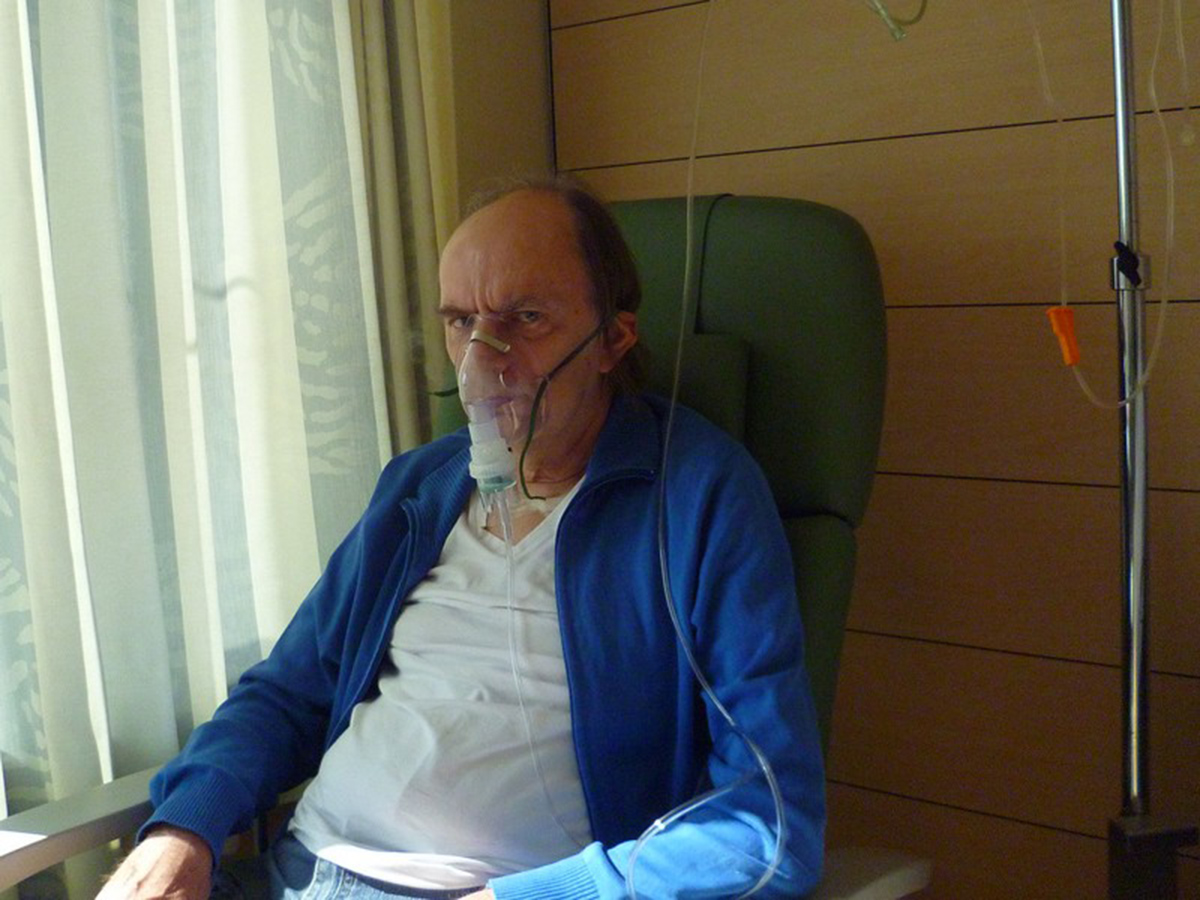
Risk Factors and Transmission for Healthcare Associated Infections
Understanding your risk factors is the first step in preventing healthcare associated infections from developing. Although anyone can develop a hospital acquired infection, there are certain risk factors, which increase your chances of becoming infected.
The longer you stay in the hospital, the greater your chances of developing a healthcare associated infection. Although there may not always be anything you can do about the length of your hospital stay, following the treatment plan prescribed can help you stay on track.
Patients who have a decreased immune system from illnesses, such as HIV or organ transplants are at an increased risk of developing infections including those which are acquired in the hospital. Patients who are undergoing chemotherapy as part of their cancer treatment are also at a higher risks of infection, such as MRSA.
Having a surgical incision, wound or urinary catheter placed provides a way for bacteria to enter the body and also increases the chances of developing a healthcare associated infection.
What can you do as a Patient?
There may be instances, where patients are unconscious or unaware of the care they are receiving. But if possible, patients should take an active role in preventing healthcare associated infections whenever they can.
Keeping your hands clean is one important way to reduce the chances of developing an infection. If you touch something that is contaminated with bacteria and then touch an incision, you may be spreading bacteria. Be sure to wash your hands after using the toilet. If you are bedbound, ask for a soapy washcloth and a bucket of water.
Make sure hospital personnel are wearing protective equipment as needed. In some cases, patients are in reverse isolation. That means healthcare workers wear gowns, masks and gloves to protect the patient from any germs the worker may have. Patients who have a lowered immune system are often in reverse isolation.
Even if you are not immunocompromised, it is perfectly acceptable to ask doctors nurses and other healthcare workers to wash their hands before treating you.
See Also: What To Expect From A Long Hospital Stay And Recovery
Another measure you can take to prevent infections is to let your nurse know if a dressing on a wound becomes wet or comes off. Uncovered wounds may allow bacteria to enter in some cases. In addition, if tubes or catheters become displaced tell you nurse as soon as possible.
Although most people enjoy visits while in the hospital, ask family and friends who are sick to refrain from visiting you while they are ill. A phone call or text can replace an in person visit by those who are sick. Lastly, talk with your nurse if something does not seem sanitary or has you concerned. You can also ask to speak to someone in infection control if you have concerns.
- www.health.gov/hai/prevent_hai.asp
- www.ncbi.nlm.nih.gov/pmc/articles/PMC88988/
- www.cdc.gov/hai/
- Photo courtesy of pallamaio by Flickr: www.flickr.com/photos/pallamaio/2319811520
- Photo courtesy of Martin Pulaski by Flickr: www.flickr.com/photos/martinpulaski/6219604841
Your thoughts on this