

Table of Contents
It is not hard to understand why a woman in her ninth month of pregnancy — with a huge baby bump, pregnancy insomnia, a kicking baby and in anticipation of labor — may feel a little tired. Those women who have never been pregnant before may not realize that fatigue is a pregnancy symptom all in itself, though. Extreme fatigue is such a common phenomenon during the weeks after conception that it could well be one of the most reliable pre-test indicators that you are expecting.
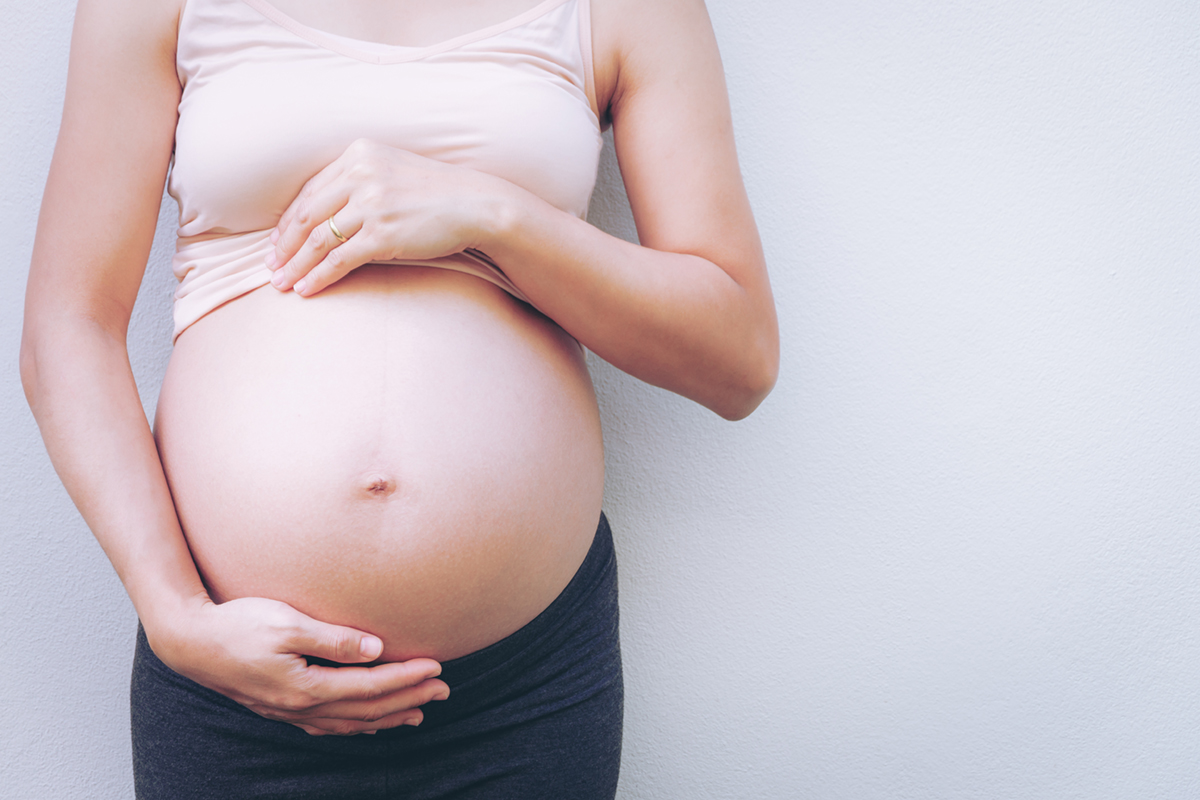
Women who are suffering from early pregnancy fatigue may have trouble getting through the day, and may want to take an afternoon nap. The cause of this extreme fatigue is, as with morning sickness, still not clear.
READ 14 Tips to Prepare Your Body and Mind for Pregnancy
The pregnancy hormone progesterone could be behind this troubling pregnancy symptom, but it is also important to keep in mind that a newly pregnant woman's body is going through many changes and working extremely hard to accommodate the pregnancy in these early weeks. Iron-deficiency anemia, a condition that is relatively common in pregnant women, can also cause fatigue. This is something you will be tested for at your first prenatal appointment.[4]
Some women notice that they are really tired before their period was due, and most will find that the second trimester of pregnancy gives them a new energy. So don't despair, as you will not spend 40 weeks feeling like this.
Abdominal Swelling Or Pressure
Abdominal swelling or bloating, and cramps or soreness are indeed early pregnancy signs. As any woman who has ever had a period knows, they are also premenstrual symptoms. Abdominal changes by themselves are not, in other words, a very good reason to suspect pregnancy.
Abdominal bloating can be noticeable as early as a week after ovulation in some women. It may convince a newly pregnant woman that she “looks pregnant”, but the belly's larger appearance is obviously not caused by the rapidly developing bit tiny zygote. Instead, the pregnancy hormone progesterone is causing muscles to relax throughout the body, and many women also start retaining more fluid than usual as their blood volume increases by 50 percent to support the pregnancy.[5]
Cramps in early pregnancy are caused by nearly the same thing that makes women crampy during their menstrual periods — changes in your uterus, a very strong muscle. During the first trimester, the fertilized egg will implant into the uterine lining. As it keeps on developing, the placenta will also form and the uterus will slowly start stretching to make space for a larger fetus.
More Frequent Urination
We already discussed the fact that a pregnant woman's blood volume increases by 50 percent. This is necessary to support the additional functions the body performs while it is growing a new life, but it means that additional fluids also pass through the kidneys and into the bladder. For the new mother to-be, this translates into an uncomfortable pregnancy symptom that can show up pretty early on — the need to pee much more often than usual!
Later on in pregnancy, the growing baby and its physical pressure on the bladder can force the expectant mother to take even more trips to the bathroom. During the first few weeks of pregnancy, a woman can expect to be able to go for more than five minutes between bathroom visits, but not very much longer that that perhaps.[6]
Many women are annoyed to discover that they need to urinate during the night even more often than they do during the day. This happens because the fluid that they retained in their hands and feet throughout the day finds its way to the kidneys when they lie down and cease being active.
More frequent urination is a pregnancy symptom that deserves to be taken quite seriously. Those women who are already close to the date of their expected menstruation may like to take advantage of their need to urinate that often, and take a pregnancy test first thing in the morning when urine is most concentrated.
Facial Skin Impurities
The early pregnancy surge in progesterone can lead to break-outs on your facial skin, but also sometimes in other parts of your body like your back and shoulders. Once again, it is not at all uncommon for a woman to break out in zits every month before or during menstruation, and some women even notice facial skin impurities when they ovulate. Don't let zits get you excited before you have a positive pregnancy test.[1]
Women who did get pregnant will probably be sad to see that their facial skin changes do not stop with a few zits, and that skin changes will not stop during the first trimester of pregnancy. Some women suffer from pregnancy acne, while others have a very oily or very dry skin. The so-called pregnancy mask involves darker pigment appearing on the expectant mother's forehead, nose, and cheeks. Other parts of the body can also be struck by unwelcome skin changes, from stretch marks to a dark vertical line (the linea negra) on the abdomen and darker areolae around the nipples.
One redeeming symptom is the pregnancy glow, which makes your face look naturally healthy and beautiful. The famous pregnancy glow will not make its appearance until sometime during the second trimester, if you have it at all.
- Photo courtesy of dkjd on Flickr: www.flickr.com/photos/dkjd/2863780464